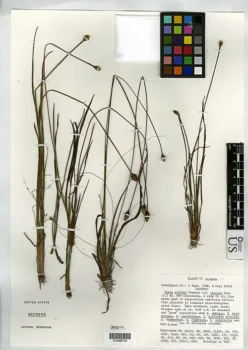
Pineland Yelloweyed Grass: A Charming Native Wetland Beauty
If you’ve been searching for a distinctive native plant that thrives in those perpetually soggy spots in your garden, let me introduce you to pineland yelloweyed grass (Xyris stricta). This delightful southeastern native might just be the perfect solution for your wetland gardening challenges.
What Makes Pineland Yelloweyed Grass Special?
Don’t let the grass in its name fool you – pineland yelloweyed grass is actually a perennial forb that brings a unique architectural element to wet garden spaces. This charming plant produces clusters of bright yellow flowers that seem to float like tiny golden buttons above its spiky, grass-like foliage. The contrast between the cheerful blooms and the structural leaves creates an eye-catching display that’s both naturalistic and surprisingly sophisticated.
Where Does It Call Home?
Pineland yelloweyed grass is a true native of the southeastern United States, naturally occurring across Alabama, Florida, Georgia, Louisiana, Mississippi, South Carolina, and Texas. This plant has spent centuries perfecting its ability to thrive in the unique conditions of coastal plains and wetland areas throughout these states.
- Species observed
- No observations
Perfect for Wetland Gardens and Rain Gardens
Here’s where pineland yelloweyed grass really shines – it’s classified as an obligate wetland plant, meaning it almost always occurs in wetlands and absolutely loves consistently moist to wet conditions. This makes it an ideal choice for:
- Bog gardens and wetland restoration projects
- Rain gardens that collect stormwater runoff
- Native plant gardens with naturally wet areas
- Pond margins and water garden edges
- Areas with poor drainage that challenge other plants
The plant’s distinctive form adds vertical interest and textural contrast when paired with other wetland natives, creating naturalistic compositions that look like they’ve always belonged in the landscape.
Growing Conditions and Care
Successfully growing pineland yelloweyed grass is all about understanding its wetland nature. This plant thrives in USDA hardiness zones 8-10, making it perfect for gardeners in the warmer southeastern regions.
Sun Requirements: Provide full sun for the best flowering and most compact growth habit.
Soil Needs: The key to success is consistently moist to wet, acidic soils. This plant won’t tolerate drought conditions, so ensure your planting site stays adequately hydrated year-round.
Maintenance: Once established in the right conditions, pineland yelloweyed grass is refreshingly low-maintenance. The plant is naturally adapted to wetland environments and typically doesn’t require fertilization or frequent intervention.
Benefits for Pollinators and Wildlife
Those cheerful yellow flowers aren’t just pretty to look at – they serve as valuable nectar sources for small native bees, flies, and other beneficial insects. By including pineland yelloweyed grass in your wetland garden, you’re providing important habitat and food sources for local pollinator populations.
Is Pineland Yelloweyed Grass Right for Your Garden?
This native beauty is an excellent choice if you have consistently wet areas that need an attractive, low-maintenance solution. However, it’s not the right fit for traditional perennial borders or areas with average garden soil drainage. The plant’s specific wetland requirements mean it truly excels only in consistently moist conditions.
Consider pineland yelloweyed grass if you’re working on wetland restoration, creating rain gardens, or simply want to embrace the natural wet areas in your landscape with beautiful native plants that support local ecosystems.
Planting Tips for Success
- Source plants from reputable native plant nurseries
- Plant in spring after the last frost for best establishment
- Ensure planting sites remain consistently moist throughout the growing season
- Group with other wetland natives for the most natural-looking displays
- Be patient – like many natives, it may take a season or two to fully establish
Pineland yelloweyed grass proves that native wetland plants can be both ecologically valuable and garden-worthy. If you’ve got the right wet conditions, this southeastern native will reward you with its unique beauty and low-maintenance charm for years to come.