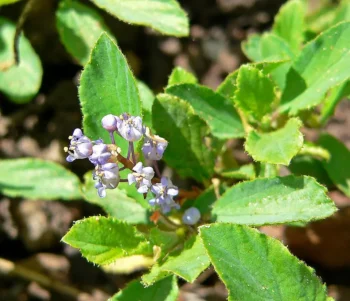
Pinemat: California’s Low-Key Ground Cover Champion
Meet pinemat (Ceanothus diversifolius), a delightfully unassuming California native that’s been quietly doing its thing in the Golden State’s foothills and mountains for ages. This low-growing shrub might not win any flashy garden contests, but it’s got the kind of steady, reliable charm that makes it a true garden workhorse.
What Makes Pinemat Special?
Pinemat is a perennial shrub that stays refreshingly compact, typically spreading low to the ground in a dense mat formation. As its botanical name Ceanothus diversifolius suggests (it’s also known by the synonym Ceanothus decumbens), this plant is all about diversity in its leaf shapes and adaptability to different growing conditions.
This California native is found exclusively in the Golden State, where it has evolved to thrive in the region’s unique Mediterranean climate. Its natural range spans various elevations and microclimates throughout California.
- Species observed
- No observations
Why Your Garden Will Love Pinemat
If you’re looking for a ground cover that actually earns its keep, pinemat deserves serious consideration. Here’s what makes it such a garden gem:
- Pollinator magnet: Those small clusters of white to pale blue flowers that appear in spring are like a welcome mat for native bees, butterflies, and other beneficial insects
- Erosion control hero: Its mat-forming habit makes it excellent for stabilizing slopes and preventing soil erosion
- Low maintenance: Once established, it’s remarkably drought tolerant and requires minimal fussing
- Wildlife friendly: Provides habitat and food sources for local wildlife
Perfect Garden Situations for Pinemat
Pinemat shines in several garden scenarios:
- Native California gardens where authenticity matters
- Drought-tolerant landscapes that need reliable ground coverage
- Rock gardens where its low profile won’t compete with statement plants
- Naturalized areas that benefit from erosion control
- Wildland gardens that connect to natural habitats
Growing Pinemat Successfully
The good news? Pinemat isn’t particularly fussy once you understand its preferences. Here’s how to set it up for success:
Climate Considerations: This plant thrives in USDA hardiness zones 7-10, making it perfect for most of California and similar Mediterranean climates.
Location and Soil: Give pinemat a spot with full sun and well-draining soil. It’s adapted to California’s naturally lean soils, so don’t worry about rich, amended earth – it actually prefers things a bit on the sparse side.
Planting Tips: Fall planting works best, giving the plant time to establish roots before the dry season arrives. Space plants according to how quickly you want coverage – they’ll eventually spread to form that characteristic mat.
Water Wisdom: Here’s where pinemat really shows its California roots. Once established, it’s remarkably drought tolerant. During the first year, provide occasional deep watering to help establishment, but avoid overwatering, which can actually harm this dry-adapted native.
A Word About Sourcing
Pinemat has a somewhat uncertain conservation status, which means it’s important to be thoughtful about where you source your plants. Always purchase from reputable native plant nurseries that grow their stock from ethically collected seed or cuttings – never dig plants from the wild. This ensures you’re supporting conservation rather than potentially impacting wild populations.
The Bottom Line
Pinemat might not be the showiest plant in the garden center, but it’s exactly the kind of reliable, hardworking native that makes a garden truly sustainable and wildlife-friendly. If you’re gardening in California or a similar climate and want a ground cover that actually supports local ecosystems while requiring minimal input from you, pinemat deserves a spot on your plant list.
Sometimes the best garden stars are the ones that work quietly behind the scenes – and pinemat is definitely one of those unsung heroes worth celebrating.