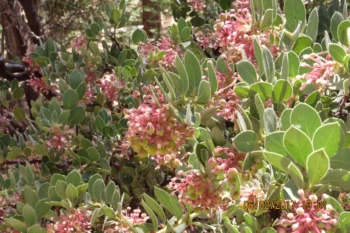
Pinkbracted Manzanita: A California Native Shrub Worth Knowing
If you’re passionate about native California plants, you may have come across the intriguing pinkbracted manzanita (Arctostaphylos pringlei drupacea). This native shrub represents one of the many fascinating members of the manzanita family that call the Golden State home.
What Is Pinkbracted Manzanita?
Pinkbracted manzanita is a perennial shrub native to California and part of the larger Arctostaphylos genus. Like other manzanitas, this species typically grows as a multi-stemmed woody plant, usually staying under 13-16 feet in height, though it can occasionally grow taller or develop a single stem depending on environmental conditions.
You might also encounter this plant listed under its botanical synonyms: Arctostaphylos drupacea or Arctostaphylos pringlei var. drupacea. These different names reflect the ongoing work botanists do to understand and classify our native flora.
Where Does It Grow?
This California native has a limited geographic range within the state. As with many specialized native plants, pinkbracted manzanita has evolved to thrive in specific California ecosystems and climatic conditions.
- Species observed
- No observations
Should You Plant Pinkbracted Manzanita?
Here’s where things get a bit complicated. While pinkbracted manzanita is undeniably a native California plant (which earns it major points in sustainable gardening), there are some important considerations before adding it to your landscape:
The Rarity Question
This plant carries a conservation status that suggests it may have limited populations in the wild. If you’re considering adding pinkbracted manzanita to your garden, it’s crucial to source plant material responsibly. This means:
- Only purchasing from reputable native plant nurseries
- Ensuring plants were propagated, not wild-collected
- Verifying the nursery’s sourcing practices
- Never collecting plants from wild populations
The Information Gap
Unfortunately, detailed growing information specifically for pinkbracted manzanita is limited. This makes it a challenging choice for gardeners who want clear care instructions and predictable results.
Alternative Native Choices
If you’re drawn to the idea of growing native manzanitas in your California garden, consider these more commonly available alternatives:
- Arctostaphylos densiflora (Vine Hill manzanita)
- Arctostaphylos edmundsii (Little Sur manzanita)
- Arctostaphylos uva-ursi (Kinnikinnick)
These species offer similar native plant benefits with better-documented growing requirements and wider availability from native plant sources.
Supporting Native Plant Conservation
Whether or not you choose to grow pinkbracted manzanita, you can support California’s native plant diversity by:
- Participating in native plant society activities
- Supporting habitat conservation efforts
- Choosing well-documented native plants for your landscape
- Learning about and sharing knowledge of native flora
Pinkbracted manzanita represents the incredible diversity of California’s native plant communities. While it may not be the easiest choice for home gardeners, its existence reminds us of the importance of preserving and understanding our native botanical heritage.