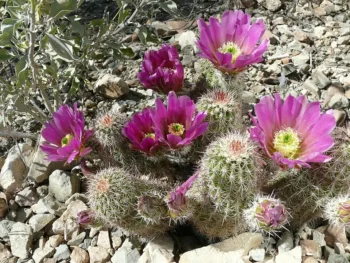
Pinkflower Hedgehog Cactus: A Desert Gem for Your Garden
Meet the pinkflower hedgehog cactus (Echinocereus bonkerae), a stunning native beauty that’s perfect for gardeners looking to add some desert flair to their landscape. This charming cactus proves that you don’t need to sacrifice beauty for low maintenance – it delivers both in spades!
What Makes This Cactus Special?
The pinkflower hedgehog cactus is a true Arizona native, calling the Sonoran Desert home. This perennial succulent creates eye-catching clusters of barrel-shaped stems adorned with protective spines. But the real showstopper happens in spring when vibrant pink to magenta flowers bloom along the stems, creating a spectacular desert display that’ll make your neighbors stop and stare.
Where Does It Grow Naturally?
This desert dweller is naturally found throughout Arizona, where it has adapted perfectly to the harsh desert conditions. It’s a proud native of the lower 48 states, specifically thriving in the unique ecosystem of the Sonoran Desert.
- Species observed
- No observations
Why Choose Pinkflower Hedgehog Cactus?
Here’s why this spiky beauty deserves a spot in your garden:
- Stunning spring blooms: Those gorgeous pink flowers are absolutely worth the wait
- Ultra low maintenance: Perfect for busy gardeners or water-conscious landscapes
- Native plant benefits: Supports local ecosystems and requires minimal resources
- Pollinator magnet: Attracts bees, butterflies, and even hummingbirds to your garden
- Year-round interest: Attractive form and texture even when not in bloom
- Drought tolerant: Thrives with minimal water once established
Perfect Garden Settings
The pinkflower hedgehog cactus shines in:
- Desert and xeriscape gardens
- Rock gardens and succulent displays
- Container gardens and patio collections
- Native plant landscapes
- Low-water Mediterranean-style gardens
Use it as an accent plant to add texture and seasonal color, or group several together for a more dramatic impact.
Growing Conditions and Care
This desert native is surprisingly easy to grow if you remember one golden rule: drainage is everything! Here’s what your pinkflower hedgehog cactus needs to thrive:
Sunlight: Full sun is essential – at least 6-8 hours of direct sunlight daily
Soil: Well-draining soil is absolutely critical. Sandy or rocky soil works best, and you can amend heavy clay soils with coarse sand and gravel
Water: Less is definitely more. Water deeply but infrequently during the growing season, and reduce watering significantly in winter
Climate: Hardy in USDA zones 9-11, this cactus loves hot, dry conditions but needs protection from hard freezes
Planting and Care Tips
Getting started with your pinkflower hedgehog cactus is straightforward:
- Best planting time: Spring, after the last frost risk has passed
- Spacing: Allow plenty of room for the clustering growth habit
- Watering schedule: Water sparingly – only when soil is completely dry
- Fertilizer: Generally unnecessary; these tough plants prefer lean conditions
- Winter care: Protect from frost and reduce watering to almost nothing
- Handling: Always wear thick gloves when working around the spines!
A Note on Responsible Gardening
When purchasing your pinkflower hedgehog cactus, always buy from reputable nurseries that source their plants responsibly. Never collect plants from the wild, as this can harm native populations and may be illegal.
Wildlife and Pollinator Benefits
Beyond its stunning appearance, this native cactus is a valuable addition to wildlife-friendly gardens. The nectar-rich spring flowers attract various pollinators, including native bees, butterflies, and hummingbirds, helping support local ecosystems.
The pinkflower hedgehog cactus proves that native plants can be both beautiful and beneficial. With its spectacular spring blooms, minimal care requirements, and wildlife value, it’s an excellent choice for gardeners looking to create sustainable, water-wise landscapes with authentic desert charm.