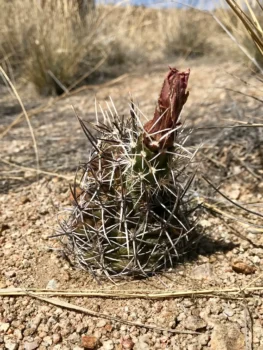
Pinkflower Hedgehog Cactus: A Native Gem for Water-Wise Gardens
If you’re looking to add some spiky charm and vibrant color to your drought-tolerant garden, the pinkflower hedgehog cactus might just be your new best friend. This delightful native cactus brings both beauty and ecological benefits to southwestern landscapes, making it a fantastic choice for gardeners who want to work with nature rather than against it.
Meet the Pinkflower Hedgehog Cactus
Scientifically known as Echinocereus fendleri fendleri, this charming cactus is a true native of the American Southwest. As a perennial plant, it’ll be a long-term companion in your garden, rewarding your patience with stunning displays year after year.
Where It Calls Home
This hardy cactus is native to four southwestern states: Arizona, Colorado, New Mexico, and Texas. It’s perfectly adapted to the challenging conditions of this region, making it an ideal choice for gardeners in these areas who want to embrace their local flora.
- Species observed
- No observations
Why You’ll Fall in Love With It
The pinkflower hedgehog cactus earns its name from its absolutely gorgeous blooms. In spring and early summer, it produces stunning pink to magenta flowers that seem almost too vibrant to be real. These cylindrical, multi-stemmed cacti create fascinating architectural interest in the garden with their distinctive spiny appearance and compact growth habit.
But here’s the really exciting part – those beautiful flowers aren’t just for show. They’re pollinator magnets, attracting bees, butterflies, and even hummingbirds to your garden. It’s like having a tiny desert oasis that supports local wildlife!
Perfect Garden Situations
This cactus shines in several garden settings:
- Rock gardens and xeriscapes
- Desert-themed landscapes
- Cactus and succulent collections
- Water-wise garden borders
- Containers (with proper drainage)
Growing Conditions That Make It Happy
The pinkflower hedgehog cactus is refreshingly low-maintenance once you understand its basic needs:
Sunlight: Full sun is essential – this plant craves those bright, sunny conditions
Soil: Well-draining soil is absolutely critical. Think sandy, gravelly, or rocky soil that doesn’t hold water
Water: Less is definitely more. This drought-tolerant beauty prefers infrequent, deep watering
Climate: Hardy in USDA zones 5-9, it can handle both heat and surprising cold
Planting and Care Tips
Getting your pinkflower hedgehog cactus established is straightforward if you follow these guidelines:
- Plant in spring or fall when temperatures are moderate
- Ensure drainage is excellent – consider raised beds or containers if your soil is clay-heavy
- Water sparingly, especially in winter when the plant is dormant
- Avoid overwatering at all costs – wet feet are this cactus’s biggest enemy
- Protect from prolonged wet conditions during winter months
- No fertilization needed – these plants thrive in poor soils
Important Conservation Note
Here’s something crucial to know: the pinkflower hedgehog cactus has varying conservation statuses across its range, with some populations considered endangered. This means if you want to add one to your garden, it’s essential to source your plant responsibly from reputable nurseries that propagate them rather than collecting from wild populations. Never harvest plants from the wild – it’s both illegal in many areas and harmful to wild populations.
The Bottom Line
The pinkflower hedgehog cactus is a wonderful choice for gardeners in the Southwest who want to create beautiful, water-wise landscapes while supporting native ecosystems. Its stunning flowers, low maintenance requirements, and wildlife benefits make it a true garden gem. Just remember to source your plants ethically, give them excellent drainage, and step back to watch the pollinators flock to your garden!
Whether you’re creating a full desert landscape or just adding a touch of southwestern charm to a corner of your yard, this native beauty will reward your efforts with years of spiky, colorful joy.