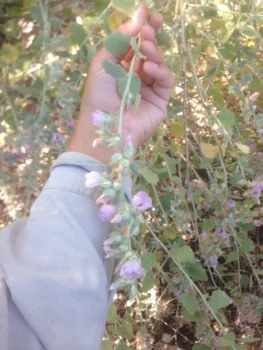
Pinkflowered Bushmallow: A Charming Native Shrub for California Gardens
If you’re looking for a beautiful, low-maintenance native shrub that brings both color and wildlife value to your California garden, meet the pinkflowered bushmallow (Malacothamnus marrubioides). This delightful native offers the perfect combination of drought tolerance, pollinator appeal, and year-round garden interest that makes it a smart choice for water-wise landscaping.
What is Pinkflowered Bushmallow?
Pinkflowered bushmallow is a perennial shrub native to California. As a multi-stemmed woody plant, it typically grows to a manageable size of less than 13-16 feet in height, though most garden specimens stay much smaller. You might also see it listed under its former scientific name, Malvastrum marrubioides, but don’t let the name changes fool you – this is the same wonderful plant.
Where Does It Naturally Grow?
This native beauty calls California home, where it thrives in the state’s Mediterranean climate. You’ll find it naturally occurring in chaparral and coastal sage scrub communities throughout southern California, where it has adapted perfectly to the region’s dry summers and mild, wet winters.
- Species observed
- No observations
Why Choose Pinkflowered Bushmallow for Your Garden?
There are several compelling reasons to consider this native shrub:
- Stunning flowers: The pink to rose-colored blooms are absolutely charming and appear when many other plants are looking tired from summer heat
- Pollinator magnet: Bees, butterflies, and other native pollinators love the nectar-rich flowers
- Drought tolerant: Once established, it needs minimal supplemental water
- Low maintenance: Perfect for busy gardeners who want beauty without fuss
- Native credentials: Supporting local ecosystems while reducing garden water needs
Perfect Garden Settings
Pinkflowered bushmallow shines in several garden styles:
- Native plant gardens
- Mediterranean-style landscapes
- Xeriscape (drought-tolerant) gardens
- Wildlife and pollinator gardens
- Mixed shrub borders
Growing Conditions and Care
This adaptable shrub is surprisingly easy to grow when you give it what it wants:
- Sunlight: Full sun for best flowering and form
- Soil: Well-draining soil is essential – it won’t tolerate soggy conditions
- Water: Deep, infrequent watering once established
- Climate: Thrives in USDA hardiness zones 9-10
Planting and Care Tips
Getting your pinkflowered bushmallow off to a great start is straightforward:
- Best planting time: Fall planting allows roots to establish during the cooler, wetter months
- Spacing: Give it room to spread – these shrubs appreciate good air circulation
- Watering: Water regularly the first year, then reduce to occasional deep watering
- Pruning: Light pruning after flowering helps maintain shape and encourages new growth
- Fertilizing: Usually unnecessary – these plants are adapted to lean soils
A Note About Conservation
Pinkflowered bushmallow has an uncertain conservation status, which means we should be mindful about how we source our plants. Always purchase from reputable native plant nurseries that propagate their own stock rather than collecting from wild populations. This ensures you’re supporting conservation efforts rather than potentially harming wild communities.
The Bottom Line
Pinkflowered bushmallow represents everything wonderful about native gardening – it’s beautiful, beneficial to wildlife, and perfectly suited to California’s climate. Whether you’re creating a water-wise garden, supporting local pollinators, or simply want a gorgeous shrub that won’t demand constant attention, this native gem deserves a spot in your landscape. Just remember to source your plants responsibly, and you’ll be rewarded with years of pink blooms and happy pollinators.