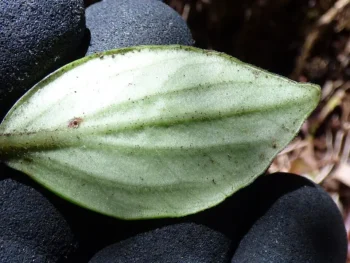
Pinninerve Peperomia: A Rare Hawaiian Native Worth Protecting
If you’re looking for a unique Hawaiian native plant that brings both beauty and conservation value to your garden, meet the pinninerve peperomia (Peperomia macraeana). This charming little forb might not be the showiest plant in your collection, but it carries the special distinction of being endemic to the Hawaiian Islands – and it needs our help to thrive.
A True Hawaiian Original
Peperomia macraeana is 100% Hawaiian-born and raised. This native species calls only the Hawaiian Islands home, making it a true treasure of the Pacific. You won’t find this little beauty growing wild anywhere else on Earth, which makes it extra special for gardeners who want to celebrate Hawaii’s unique botanical heritage.
The plant grows exclusively in Hawaii, where it has adapted to the islands’ distinctive climate and growing conditions over thousands of years.
- Species observed
- No observations
What Makes It Special
Don’t let its humble appearance fool you – the pinninerve peperomia has plenty of charm. As a forb (basically a non-woody plant), it stays relatively small and compact, making it perfect for tucked-away garden spots or container growing. The plant gets its pinninerve name from its distinctive leaf venation pattern, where the veins branch out like tiny feathers.
This annual plant completes its life cycle in one growing season, though in Hawaii’s tropical climate, you might find it behaving more like a short-lived perennial in protected spots.
An Important Conservation Note
Here’s something every gardener should know: Peperomia macraeana is considered vulnerable, with a Global Conservation Status of S3. This means it’s rare throughout its range, with only 21 to 100 known occurrences or between 3,000 and 10,000 individual plants remaining in the wild.
If you’re interested in growing this special native, please only source it from reputable nurseries that propagate plants responsibly. Never collect plants from the wild – every individual in nature is precious for the species’ survival.
Growing Your Pinninerve Peperomia
The good news is that this Hawaiian native is relatively adaptable. It typically prefers non-wetland conditions but can tolerate some moisture, earning it a Facultative Upland wetland status. This flexibility makes it easier to accommodate in various garden settings.
Here’s what you need to know for successful growing:
- Climate: USDA zones 10-12 only (tropical and subtropical areas)
- Light: Partial to full shade – it appreciates protection from intense sun
- Soil: Well-draining soil is essential; avoid waterlogged conditions
- Water: Moderate moisture, but don’t overwater
- Humidity: Enjoys the natural humidity of tropical climates
Perfect Garden Roles
This compact native works beautifully in several garden situations:
- Understory plantings in tropical gardens
- Container gardens and patio plantings
- Ground cover in shaded areas
- Native plant collections
- Conservation gardens focused on Hawaiian species
The Wildlife Connection
While we don’t have extensive data on its specific wildlife benefits, native Hawaiian plants like Peperomia macraeana play important roles in supporting local ecosystems. By growing native species, you’re helping preserve the genetic diversity and ecological relationships that have evolved over millennia in Hawaii.
A Plant Worth Protecting
Growing pinninerve peperomia isn’t just about adding another plant to your collection – it’s about participating in conservation. Every responsibly grown plant helps ensure this species continues to exist for future generations to enjoy and study.
If you’re in the right climate zone and can source plants ethically, this quiet little Hawaiian native might just become one of your most meaningful garden residents. It may not demand attention like a flashy tropical flower, but it offers something even more valuable: a direct connection to Hawaii’s irreplaceable natural heritage.
Remember, the best way to support rare native plants like Peperomia macraeana is through responsible cultivation, habitat protection, and spreading awareness about their conservation needs. Happy gardening – and happy conserving!