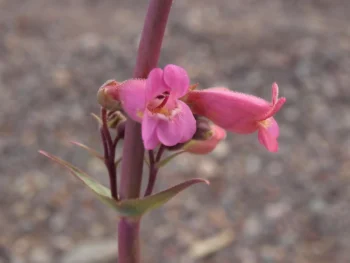
Pinto Beardtongue: A Rare Native Beauty for Southwestern Gardens
Meet the pinto beardtongue (Penstemon bicolor roseus), a charming native wildflower that’s as unique as its name suggests. This lesser-known gem belongs to the diverse Penstemon family and offers gardeners in the Southwest a chance to grow something truly special – though with an important caveat about its conservation status that we’ll discuss.
What Makes Pinto Beardtongue Special
This perennial forb is a true native of the American Southwest, naturally calling Arizona, California, and Nevada home. As a forb, it’s an herbaceous flowering plant without woody stems – think of it as nature’s way of creating a low-maintenance perennial that dies back to the ground each winter and returns fresh each spring.
The pinto beardtongue grows in a relatively limited range across these three southwestern states, making it a regional specialty that connects your garden directly to the local ecosystem.
- Species observed
- No observations
A Word of Caution: Rarity Status
Before you start planning where to plant your pinto beardtongue, there’s something important to know. This plant carries a Global Conservation Status of S3T3Q, indicating some level of conservation concern. While the exact meaning of this status is somewhat undefined, it suggests this isn’t your everyday garden center plant.
If you choose to grow pinto beardtongue, please ensure you source it responsibly:
- Purchase only from reputable native plant nurseries
- Never collect from wild populations
- Look for nursery-propagated plants rather than wild-collected specimens
- Consider supporting local conservation efforts for native plants
Why Consider Pinto Beardtongue for Your Garden?
Despite the need for careful sourcing, there are compelling reasons to include this native in your landscape. As a true regional native, pinto beardtongue is naturally adapted to southwestern growing conditions, potentially making it more drought-tolerant and low-maintenance than non-native alternatives once established.
Native plants like pinto beardtongue also support local ecosystems in ways that introduced species simply can’t match. They’ve evolved alongside local wildlife and often provide specialized benefits to native pollinators and other creatures.
Growing Pinto Beardtongue Successfully
While specific growing information for Penstemon bicolor roseus is limited, we can share what we know about this southwestern native. As a plant naturally found in Arizona, California, and Nevada, it’s adapted to the challenging conditions these regions can present.
Being a perennial forb means it will return year after year, with its above-ground portions dying back in winter and re-emerging in spring. This natural cycle makes it a low-maintenance choice for gardeners who appreciate plants that work with natural seasonal rhythms.
The Bottom Line
Pinto beardtongue represents both an opportunity and a responsibility. It’s a chance to grow a truly native southwestern plant that belongs in the regional landscape, but it requires thoughtful sourcing due to its conservation status.
If you’re passionate about native gardening and committed to responsible plant sourcing, pinto beardtongue could be a meaningful addition to your collection. However, if you’re looking for an easy-to-find native alternative, consider exploring other Penstemon species that might be more readily available from local native plant sources.
Remember, the best native garden is one that’s built thoughtfully, with respect for both the plants and their natural habitats. Whether you choose pinto beardtongue or another native beauty, you’re contributing to a more sustainable and ecologically connected landscape.