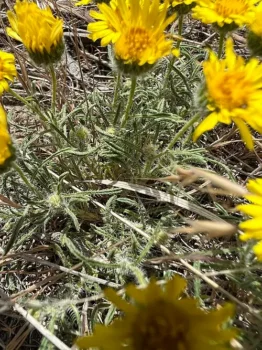
Piper’s Fleabane: A Rare Alpine Gem for Pacific Northwest Gardens
If you’re a gardener who loves the thrill of growing something truly special, Piper’s fleabane might just capture your heart. This delicate alpine wildflower is one of Washington State’s botanical treasures, though it comes with some important considerations that every responsible gardener should know.
What Makes Piper’s Fleabane Special
Piper’s fleabane (Erigeron piperianus) is a charming perennial forb that produces classic daisy-like flowers with white to pale purple petals surrounding sunny yellow centers. True to its fleabane family heritage, this little beauty blooms in summer and brings that quintessential wildflower charm to any garden lucky enough to host it.
As a native species, Piper’s fleabane is perfectly adapted to the unique conditions of its homeland. It’s what botanists call a forb – essentially a non-woody flowering plant that dies back to the ground each winter and returns fresh each spring.
Where Does Piper’s Fleabane Call Home?
This fleabane is a true Washington State endemic, meaning it grows naturally nowhere else on Earth. You’ll find it in the wild only in the alpine and subalpine regions of the Cascade Range, where it has adapted to the challenging conditions of high-elevation life.
- Species observed
- No observations
A Word of Caution: Rarity Matters
Here’s where things get serious, fellow gardeners. Piper’s fleabane has a Global Conservation Status of S3, which means it’s considered vulnerable. With typically only 21 to 100 occurrences and between 3,000 to 10,000 individuals in the wild, this plant is genuinely rare.
What does this mean for you? If you’re interested in growing Piper’s fleabane, you absolutely must ensure your plants come from responsibly sourced material – never from wild collection. Look for reputable native plant nurseries that propagate their stock ethically, or consider participating in seed collection programs that support conservation efforts.
Is Piper’s Fleabane Right for Your Garden?
This alpine beauty isn’t for every garden or every gardener. Here’s what you need to know:
Perfect Garden Types
- Rock gardens that mimic alpine conditions
- Specialized native plant collections
- Cool-climate gardens at higher elevations
- Conservation-focused landscapes
Growing Conditions
Piper’s fleabane demands conditions similar to its mountain home:
- Excellent drainage is absolutely critical
- Full sun to partial shade
- Cool, moist soil conditions
- Protection from hot afternoon sun in lower elevations
- USDA hardiness zones 4-7
Caring for Your Piper’s Fleabane
Think of yourself as creating a little piece of the Cascades in your garden. This means:
- Ensuring soil drains quickly – soggy conditions will spell disaster
- Mulching around plants to keep roots cool and moist
- Providing some afternoon shade in hotter climates
- Being patient – alpine plants often grow slowly and may take time to establish
Benefits Beyond Beauty
Like other members of the fleabane family, Piper’s fleabane likely provides valuable nectar and pollen for native pollinators, including small native bees and butterflies. By growing this plant, you’re not just adding beauty to your garden – you’re supporting local ecosystems and participating in conservation.
The Bottom Line
Piper’s fleabane is a plant for the dedicated native plant enthusiast who appreciates rarity and wants to contribute to conservation efforts. It’s not a beginner plant, nor is it suitable for casual cultivation. But if you have the right conditions, the commitment to ethical sourcing, and a passion for preserving Washington’s botanical heritage, this little fleabane could become one of your garden’s most treasured residents.
Remember: with rare plants comes responsibility. Choose your sources carefully, and consider yourself a guardian of this vulnerable species.