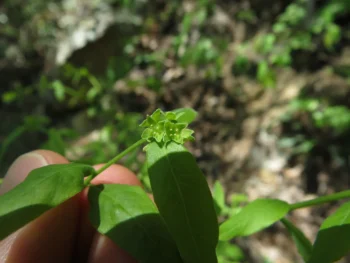
Piratebush: A Rare Native Treasure for Woodland Gardens
If you’re drawn to unusual native plants with intriguing names, piratebush (Buckleya distichophylla) might catch your attention. This small, unassuming shrub carries both the allure of rarity and the ecological value that comes with being a true southeastern native. But before you start planning where to plant it, there are some important things you should know about this elusive woodland dweller.
What Is Piratebush?
Piratebush is a perennial shrub that typically grows as a multi-stemmed woody plant, usually staying under 13-16 feet in height. Despite its swashbuckling name, this plant is more of a quiet woodland resident than a garden showstopper. It belongs to a small group of native plants that have adapted to very specific growing conditions in the southeastern United States.
Where Does Piratebush Grow Naturally?
This native shrub has a limited natural range, growing wild in just three states: North Carolina, Tennessee, and Virginia. It’s primarily found in the Appalachian region, where it thrives in the understory of mature forests. This restricted distribution is part of what makes piratebush so special—and so vulnerable.
- Species observed
- No observations
The Rarity Factor: Why This Matters
Here’s where things get serious: piratebush has a Global Conservation Status of S3, meaning it’s considered vulnerable. With only 21 to 100 known occurrences and an estimated 3,000 to 10,000 individuals remaining in the wild, this plant is genuinely rare. This rarity status has important implications for home gardeners who might be interested in growing it.
If you’re considering adding piratebush to your garden, it’s crucial to source plants only from reputable nurseries that propagate from ethically collected seeds or cuttings—never from wild-collected plants.
Why Would You Want to Grow Piratebush?
While piratebush won’t win any beauty contests, it offers several compelling reasons for the right gardener:
- Conservation value: Growing rare native plants helps preserve genetic diversity
- Ecological authenticity: It’s a true piece of southeastern forest heritage
- Unique garden story: Few gardeners can claim to grow such an uncommon native
- Woodland garden fit: Perfect for naturalistic shade gardens
The Challenges of Growing Piratebush
Let’s be honest—piratebush isn’t for everyone. This plant comes with some significant challenges:
- Availability: Finding responsibly sourced plants is extremely difficult
- Specialized needs: Requires specific soil conditions and mycorrhizal relationships
- Slow establishment: Takes time to become established in garden settings
- Limited visual impact: Not a particularly ornamental plant
Growing Conditions and Care
If you do manage to source piratebush responsibly, here’s what it needs to thrive:
Light: Shade to partial shade, mimicking its natural forest understory habitat
Hardiness: Suitable for USDA zones 6-8, matching its native Appalachian range
Soil: Well-drained woodland soils with good organic matter content
Moisture: Consistent moisture but not waterlogged conditions
Special considerations: Like many woodland natives, piratebush likely depends on specific soil fungi (mycorrhizae) for optimal growth. Creating conditions similar to its native forest habitat is key to success.
Best Garden Uses
Piratebush works best in:
- Woodland gardens with native plant themes
- Shade gardens focused on rare or unusual species
- Conservation-minded landscapes
- Educational gardens showcasing southeastern ecology
The Bottom Line
Piratebush is a plant for the dedicated native plant enthusiast rather than the casual gardener. Its rarity makes it both special and challenging—special because of its conservation value and authentic southeastern heritage, challenging because of limited availability and specific growing requirements.
If you’re passionate about rare native plants and can source piratebush through ethical channels, it can be a meaningful addition to a woodland garden. However, most gardeners would be better served by other native understory shrubs that are more readily available and easier to grow, such as spicebush (Lindera benzoin) or native azaleas, which offer similar woodland garden appeal with greater availability and garden performance.
Remember: the best way to help rare plants like piratebush is often to support their conservation in wild habitats while choosing more common natives for our home gardens.