Pitahaya: A Rare Puerto Rican Cactus Worth Protecting
Meet the pitahaya (Leptocereus quadricostatus), a stunning columnar cactus that calls Puerto Rico home. This architectural beauty might just be one of the most exclusive plants you could add to your collection – but there’s an important catch we need to talk about first.
What Makes Pitahaya Special?
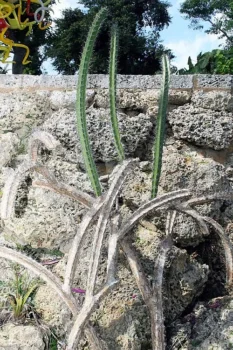
The pitahaya is a perennial shrub that grows as a distinctive columnar cactus, typically reaching heights of 13 to 16 feet under ideal conditions. True to its scientific name quadricostatus, this cactus features four prominent ribs running along its green stems, creating clean vertical lines that make it a real showstopper in any drought-tolerant landscape.
Also known by its synonym Cereus quadricostatus, this cactus belongs exclusively to Puerto Rico, where it has evolved to thrive in the island’s dry coastal areas and limestone hills.
A Plant in Crisis
Here’s where things get serious: pitahaya has a Global Conservation Status of S1, meaning it’s critically imperiled. With typically five or fewer occurrences and very few remaining individuals (less than 1,000), this cactus is dancing dangerously close to extinction. Its extreme rarity makes it especially vulnerable, and that’s something every potential grower needs to understand.
Geographic Distribution
Pitahaya grows naturally only in Puerto Rico, where it has adapted to the island’s unique tropical climate and limestone-rich soils. This endemic species represents a irreplaceable piece of Puerto Rico’s natural heritage.
- Species observed
- No observations
Should You Grow Pitahaya?
If you’re lucky enough to live in USDA hardiness zones 10-11 and you’re passionate about cactus conservation, pitahaya could be an incredible addition to your specialized succulent garden. However – and this is crucial – you should only consider growing this plant if you can source it responsibly from reputable conservation-minded nurseries or botanical institutions.
Never collect pitahaya from the wild. Given its critically imperiled status, wild collection could contribute to pushing this species toward extinction.
Perfect Growing Conditions
Pitahaya thrives in conditions that mimic its native Puerto Rican habitat:
- Sunlight: Full sun exposure
- Soil: Extremely well-draining, sandy or rocky soil
- Water: Minimal watering; allow soil to dry completely between waterings
- Temperature: Warm temperatures year-round; protect from any frost
- Humidity: Tolerates high humidity but requires good air circulation
Landscape Design Ideas
When grown responsibly, pitahaya serves as a magnificent focal point in:
- Specialized cactus and succulent gardens
- Rock gardens with excellent drainage
- Xerophytic landscapes designed for water conservation
- Educational or conservation-focused botanical displays
Its architectural form provides striking vertical structure, making it an excellent specimen plant where its unique four-ribbed silhouette can be fully appreciated.
Planting and Care Tips
If you’ve sourced your pitahaya responsibly, here’s how to give it the best care:
- Plant in a raised bed or container with exceptional drainage
- Use a cactus-specific potting mix or create your own with sand, perlite, and minimal organic matter
- Water sparingly – think drought rather than regular watering schedule
- Provide protection from any temperature drops below 50°F
- Handle with extreme care due to spines
- Allow plenty of space for growth – remember, this can become a substantial shrub
Supporting Conservation
Growing pitahaya isn’t just about adding an exotic plant to your garden – it’s about participating in conservation. By growing responsibly sourced plants, you’re helping maintain genetic diversity outside of wild populations and supporting nurseries that prioritize conservation.
Consider connecting with botanical gardens, conservation organizations, or specialized cactus societies that work with rare Puerto Rican plants. Your interest and support can contribute to broader conservation efforts for this critically imperiled species.
The Bottom Line
Pitahaya is undeniably a remarkable cactus that would make an extraordinary addition to the right garden. However, its critically imperiled status means that growing it comes with serious responsibility. If you’re committed to conservation, have the right growing conditions, and can source plants ethically, pitahaya offers the chance to grow a truly unique piece of Puerto Rican natural heritage while contributing to its preservation.
Remember: every plant matters when there are fewer than 1,000 individuals left in the wild. Grow responsibly, and help ensure that future generations will be able to appreciate the architectural beauty of Puerto Rico’s pitahaya.