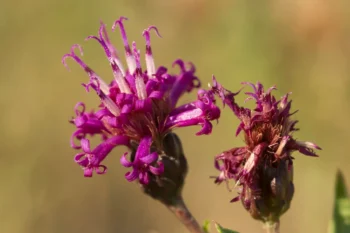
Plains Ironweed: A Late-Season Prairie Star for Your Native Garden
If you’re looking for a native wildflower that brings stunning purple blooms to your garden when most other plants are winding down for the season, meet plains ironweed (Vernonia marginata). This hardy prairie perennial might just become your new favorite fall-flowering native.
What Makes Plains Ironweed Special?
Plains ironweed is a true American native, belonging to the vast sunflower family. This perennial forb (that’s just a fancy way of saying herbaceous flowering plant) stands tall in late summer and fall, producing clusters of vibrant purple-pink flowers that seem to glow against the golden hues of autumn grasslands.
Don’t let the name ironweed fool you into thinking this plant is weedy or aggressive. The name actually refers to the plant’s tough, iron-like stems and its resilience in harsh prairie conditions. In your garden, it’s a well-behaved native that knows how to play nicely with others.
Where Plains Ironweed Calls Home
This prairie beauty is native to the central and southwestern United States, naturally occurring across Arizona, Colorado, Kansas, New Mexico, Oklahoma, Texas, and Utah. It thrives in the region’s characteristic dry prairies and grasslands, making it perfectly adapted to challenging growing conditions that would stress out many garden favorites.
- Species observed
- No observations
Why Your Garden (and Local Wildlife) Will Love It
Plains ironweed earns its keep in several important ways:
- Late-season pollinator magnet: When most flowers have finished blooming, plains ironweed provides crucial nectar for butterflies, bees, and other pollinators preparing for winter
- Drought champion: Once established, this tough native can handle dry spells with grace
- Low maintenance: No fussing required – it’s adapted to thrive with minimal intervention
- Autumn interest: Provides beautiful late-season color when your garden needs it most
- Wildlife support: Seeds feed birds, and the plant structure provides habitat for beneficial insects
Perfect Garden Situations
Plains ironweed shines in several garden styles:
- Prairie and wildflower gardens: A natural choice for authentic native plantings
- Xeriscape gardens: Excellent drought tolerance makes it perfect for water-wise landscaping
- Pollinator gardens: Essential late-season blooms support declining pollinator populations
- Naturalized areas: Great for areas where you want a more relaxed, wild look
Growing Plains Ironweed Successfully
The beauty of native plants like plains ironweed is that they’re naturally adapted to succeed in their home regions. Here’s how to give yours the best start:
Ideal Growing Conditions
- Sunlight: Full sun is best – at least 6 hours of direct sunlight daily
- Soil: Well-draining soil is crucial; it adapts to various soil types but won’t tolerate soggy conditions
- Water: Drought tolerant once established; water regularly the first year, then let nature take over
- Hardiness: Thrives in USDA zones 4-9
Planting and Care Tips
Starting plains ironweed is refreshingly straightforward:
- From seed: Direct sow in fall or early spring; seeds may need cold stratification for best germination
- Spacing: Give plants 2-3 feet of space to accommodate their mature size
- First year care: Water regularly to establish strong roots, then reduce watering
- Maintenance: Cut back stems in late winter or early spring before new growth emerges
- Self-seeding: May produce volunteer seedlings – a bonus for expanding your native garden
A Few Things to Keep in Mind
Plains ironweed has a facultative relationship with moisture, meaning it can adapt to both wetland and upland conditions depending on your region. This flexibility makes it an excellent choice for gardeners dealing with variable rainfall or irrigation conditions.
While not considered invasive or weedy, plains ironweed can self-seed in favorable conditions. Most gardeners consider this a bonus rather than a problem, but if you prefer more control, simply deadhead flowers before seeds mature.
The Bottom Line
Plains ironweed represents everything wonderful about native gardening: it’s beautiful, supports wildlife, requires minimal care once established, and connects your landscape to the natural heritage of your region. If you’re ready to embrace late-season color that works as hard as it looks good, plains ironweed deserves a spot in your native garden.
Your local butterflies will thank you, your water bill will thank you, and come September when those purple blooms light up your garden, you’ll thank yourself for choosing this prairie gem.