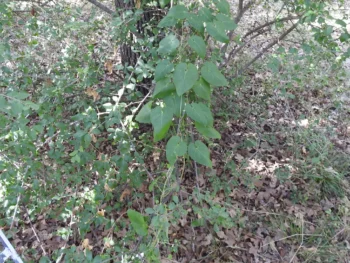
Plateau Milkvine: A Rare Texas Treasure Worth Protecting
If you’ve stumbled across the name plateau milkvine in your native plant research, you’ve discovered one of Texas’s most elusive botanical gems. This isn’t your typical backyard garden plant—Matelea edwardsensis is a rare perennial that calls the limestone hills of central Texas home, and it’s got quite a story to tell.
What Makes Plateau Milkvine Special?
Plateau milkvine (Matelea edwardsensis) is a native perennial forb that belongs to the milkweed family. Unlike the woody shrubs and trees that dominate many landscapes, this plant is an herbaceous perennial, meaning it dies back to the ground each winter and returns from its roots each spring. Think of it as nature’s own disappearing act—here one season, gone the next, but always ready for an encore.
Where Does It Call Home?
This botanical rarity has chosen quite an exclusive neighborhood—it’s found only in Texas, specifically in the Edwards Plateau region of central Texas. This limestone-rich area, with its unique geology and climate, provides the very specific conditions that plateau milkvine needs to survive.
- Species observed
- No observations
Why You Probably Shouldn’t Try to Grow It
Here’s where we need to have a serious conversation. Plateau milkvine carries a Global Conservation Status of S3, which means it’s considered Vulnerable. In plain English? This plant is in trouble. With only 21 to 100 known occurrences and an estimated 3,000 to 10,000 individual plants remaining in the wild, every single plateau milkvine is precious.
This rarity status means a few important things for gardeners:
- It’s not available through typical nursery channels
- Collecting from wild populations could harm already vulnerable populations
- It requires very specific growing conditions that are difficult to replicate
- Its cultivation needs are poorly understood due to limited research
What We Know About Its Needs
Given its Edwards Plateau origins, plateau milkvine likely thrives in:
- Limestone-based soils with excellent drainage
- The climate conditions of central Texas (likely USDA zones 8-9)
- Natural rainfall patterns of its native region
- Specific soil chemistry and pH levels found in limestone areas
However, detailed growing information is scarce precisely because this plant is so rare and specialized.
Supporting Conservation Instead
Rather than trying to grow plateau milkvine in your garden, consider these conservation-friendly alternatives:
- Support local conservation organizations working to protect Edwards Plateau habitats
- Choose other native Texas milkvines that are more common and garden-appropriate
- Visit and support botanical gardens or nature preserves where you might see this species in its natural habitat
- Participate in native plant society activities that promote habitat conservation
The Bigger Picture
Plateau milkvine represents something important in the world of native plants—a reminder that not every species is meant for cultivation. Some plants are ambassadors for wild spaces, telling us stories about the unique ecosystems they call home. By respecting the rarity of species like Matelea edwardsensis, we’re taking part in a larger conservation effort that protects the incredible biodiversity of Texas.
If you’re passionate about supporting native Texas plants, focus on the many wonderful species that are both garden-appropriate and more widely available. Your local native plant society can point you toward milkweeds and other natives that will thrive in your garden while supporting local wildlife—without putting pressure on vulnerable wild populations.
Sometimes the best way to love a plant is to admire it from afar and work to protect the wild places where it belongs.