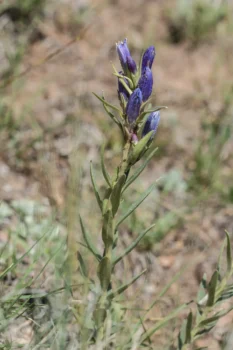
Pleated Gentian: A Late-Season Native Wildflower Worth Growing
If you’re looking for a native wildflower that brings stunning color to your garden when most other plants are calling it quits for the season, pleated gentian (Gentiana affinis) might just be your new best friend. This charming perennial forb delivers gorgeous blue to purple blooms right when you need them most – in late summer and early fall.
What Makes Pleated Gentian Special
Pleated gentian is a true North American native, naturally found across a impressive range from Canada down through the western United States. You’ll find this hardy wildflower growing wild in states and provinces including Alberta, British Columbia, Manitoba, Arizona, California, Colorado, Saskatchewan, Northwest Territories, Idaho, Minnesota, Montana, Nevada, New Mexico, North Dakota, Oregon, South Dakota, Texas, Utah, Washington, and Wyoming. Talk about adaptable!
- Species observed
- No observations
The name pleated becomes crystal clear when you see the flowers up close. The tubular blooms feature distinctive pleated petals that create an almost origami-like appearance. These deep blue to purple flowers emerge from low-growing rosettes of leaves, creating a striking contrast that’s hard to miss.
Why Gardeners Love Pleated Gentian
There are several compelling reasons to consider adding this native beauty to your landscape:
- Extended bloom time: When most wildflowers are fading, pleated gentian is just getting started with its late-summer to fall display
- Pollinator magnet: Bees, butterflies, and other beneficial insects flock to these nectar-rich blooms during a critical time when food sources are scarce
- Low maintenance: Once established, this perennial requires minimal care and can handle tough conditions
- Versatile placement: Works beautifully in rock gardens, alpine settings, wildflower meadows, and native plant gardens
- Cold hardy: Thrives in USDA zones 3-8, making it suitable for most temperate climates
Perfect Garden Companions
Pleated gentian shines in several garden styles. It’s absolutely perfect for rock gardens where its low-growing habit and drought tolerance make it a natural fit. Alpine garden enthusiasts will appreciate its authentic mountain wildflower credentials, while those creating native plant gardens will love its broad geographic range and wildlife benefits.
The plant’s wetland status as Facultative Upland means it typically prefers non-wetland conditions but can tolerate some moisture, making it quite adaptable to different garden situations.
Growing Pleated Gentian Successfully
The good news is that pleated gentian isn’t particularly fussy once you understand its preferences:
Site Selection
- Choose a location with full sun to partial shade
- Ensure good drainage – this plant doesn’t appreciate soggy feet
- Rocky or sandy soils work well, but average garden soil is fine too
Planting Tips
- Fall seeding works best for this species
- Seeds often need cold stratification, so fall planting allows natural winter conditioning
- Space plants appropriately for their mature size and spreading habit
Care and Maintenance
- Water regularly during the first growing season to help establishment
- Once established, pleated gentian is quite drought tolerant
- Avoid overwatering, which can lead to root problems
- Little to no fertilization needed – this plant thrives in lean conditions
- Deadheading isn’t necessary, and seed heads can provide winter interest
Is Pleated Gentian Right for Your Garden?
Pleated gentian is an excellent choice for gardeners who want to support native wildlife while enjoying beautiful late-season blooms. It’s particularly valuable if you’re trying to extend your garden’s flowering period into fall or if you’re creating habitat for pollinators.
However, if you’re looking for a plant that provides continuous color throughout the growing season, you might want to pair it with spring and summer bloomers. Its relatively short but spectacular flowering period means it works best as part of a diverse native plant community rather than as a standalone specimen.
For eco-conscious gardeners in its native range, pleated gentian represents an opportunity to grow a truly local species that has adapted to regional conditions over thousands of years. Plus, you’ll be providing crucial late-season nectar resources when migrating butterflies and other pollinators need them most.
Ready to add some late-season native beauty to your landscape? Pleated gentian might just be the perfect addition to bring your garden full circle through the seasons.