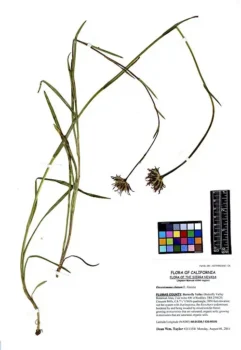
Plumas Alpine Aster: A Rare Mountain Gem for Your Garden
If you’re looking to add a touch of high-altitude magic to your garden, the Plumas alpine aster might just be your perfect match. This charming native wildflower brings the beauty of California and Oregon’s mountain meadows right to your backyard—though as we’ll discuss, it comes with some important considerations for the conservation-minded gardener.
Meet the Plumas Alpine Aster
Officially known as Oreostemma elatum, the Plumas alpine aster is a delightful perennial forb that’s as tough as it is beautiful. You might also find it listed under its former names, Aster elatus or Oreastrum elatum, in older gardening references. This herbaceous perennial lacks woody stems but makes up for it with persistent roots that help it survive harsh mountain conditions year after year.
Where Does It Call Home?
This alpine beauty is native to the mountainous regions of California and Oregon, where it thrives in high-elevation meadows and rocky slopes. As a true native of the lower 48 states, it’s perfectly adapted to the unique conditions of the American West’s alpine zones.
- Species observed
- No observations
Why You Might Want to Grow It (With a Conservation Caveat)
Important Conservation Note: The Plumas alpine aster has a Global Conservation Status of S2Q, indicating it may be of conservation concern. If you choose to grow this plant, please only source it from reputable native plant nurseries that propagate their own stock rather than collecting from wild populations.
Despite this conservation consideration, there are compelling reasons to include this plant in appropriate gardens:
- Authentic alpine beauty: Small, daisy-like flowers with white to pale purple petals and cheerful yellow centers bloom in late summer
- Pollinator magnet: Native bees, butterflies, and other small pollinators absolutely love these flowers
- Low maintenance: Once established, it’s quite drought-tolerant and requires minimal care
- Perfect for specialized gardens: Ideal for rock gardens, alpine gardens, and native plant collections
Garden Design and Landscape Role
The Plumas alpine aster shines in gardens that mimic its natural mountain habitat. Consider incorporating it into:
- Rock gardens with excellent drainage
- Alpine or mountain-themed landscapes
- Native plant gardens focusing on California or Oregon flora
- Drought-tolerant, water-wise landscapes
- Naturalized meadow areas (where appropriate to the region)
Growing Conditions and Care
Success with Plumas alpine aster depends on mimicking its mountain home:
USDA Hardiness Zones: 4-7 (loves that winter chill!)
Sunlight: Full sun to partial shade—it appreciates some afternoon shade in hotter climates
Soil: Well-draining soil is absolutely critical. Think rocky, gravelly, or sandy soils that don’t hold water
Water: Interestingly, this plant has a Facultative Wetland status, meaning it usually occurs in wetlands but can handle drier conditions. In cultivation, provide moderate water during the growing season but ensure excellent drainage
Planting and Care Tips
- Plant in spring after the last frost
- Amend heavy clay soils with coarse sand or gravel to improve drainage
- Water regularly the first season to establish roots, then reduce watering
- Mulch lightly with gravel or small stones rather than organic mulch
- Avoid fertilizing—these mountain plants prefer lean soils
- Allow plants to experience natural winter dormancy
Wildlife and Ecosystem Benefits
While growing information is limited due to its rarity, alpine asters generally provide excellent benefits for mountain and high-elevation ecosystems. The flowers attract native pollinators, and the plant likely provides habitat for specialized insects adapted to alpine conditions.
The Bottom Line
The Plumas alpine aster is a special plant for special gardens. If you have the right conditions—excellent drainage, appropriate climate zones, and a garden design that suits its mountain character—it can be a wonderful addition. However, always prioritize conservation by sourcing plants responsibly and considering this species’ rarity status.
For gardeners in other regions or those concerned about conservation impact, consider alternative native asters or alpine plants native to your specific area. Your local native plant society can recommend beautiful alternatives that will provide similar aesthetic appeal and ecological benefits without conservation concerns.