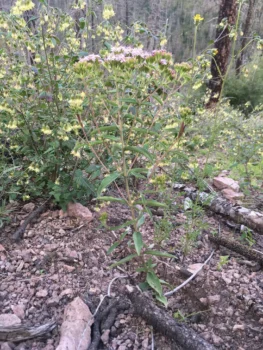
Plummer’s Candyleaf: A Sweet Native Treasure for Southwestern Gardens
If you’re looking to add some authentic southwestern charm to your garden while supporting local wildlife, let me introduce you to Plummer’s candyleaf (Stevia plummerae). This delightful native perennial might not be the showiest plant in your garden, but what it lacks in flashy blooms, it more than makes up for in ecological value and easy-going nature.
What Makes Plummer’s Candyleaf Special?
Plummer’s candyleaf is a true southwestern native, calling Arizona and New Mexico home. As a member of the sunflower family, this herbaceous perennial produces clusters of small, white to pale pink flowers that may look modest but pack a serious punch when it comes to attracting pollinators. The narrow leaves and compact growth habit give it a delicate, almost wispy appearance that adds texture and movement to garden spaces.
This native gem grows naturally across parts of Arizona and New Mexico, where it has adapted perfectly to the challenging conditions of the American Southwest.
- Species observed
- No observations
Why Consider Growing Plummer’s Candyleaf?
Here’s where things get interesting – and important. Plummer’s candyleaf carries a Global Conservation Status of S3S4, which puts it in a somewhat vulnerable category. This means that by choosing to grow this plant, you’re not just adding beauty to your garden; you’re participating in conservation efforts. Pretty cool, right?
Important note: If you decide to grow Plummer’s candyleaf, please source your plants or seeds responsibly from reputable native plant nurseries or seed companies. Avoid collecting from wild populations, as this can harm already vulnerable native stands.
Perfect Garden Situations
Plummer’s candyleaf shines in:
- Native plant gardens and naturalized landscapes
- Xeriscaped areas where water conservation is key
- Pollinator gardens supporting local wildlife
- Wildflower meadows and informal garden spaces
- Rock gardens and areas with well-draining soil
Growing Conditions and Care
One of the best things about Plummer’s candyleaf is how low-maintenance it can be once you understand its needs. This tough little perennial thrives in USDA hardiness zones 7-10, making it perfect for much of the southwestern United States.
Sunlight: Provide full sun to partial shade. It’s quite adaptable but performs best with morning sun and some afternoon protection in the hottest climates.
Soil: Well-draining soil is absolutely essential. This plant won’t tolerate soggy feet, so avoid heavy clay or areas where water tends to collect. Sandy or rocky soils work beautifully.
Water: Once established, Plummer’s candyleaf is quite drought tolerant. Water regularly during the first growing season to help establish roots, then cut back to occasional deep watering during dry spells.
Planting and Care Tips
Getting started with Plummer’s candyleaf is refreshingly straightforward:
- Plant in spring after the last frost date
- Space plants according to their mature size (specific dimensions vary)
- Water regularly the first year, then reduce to drought-tolerant watering schedule
- Minimal fertilization needed – this plant prefers lean soils
- Deadhead spent flowers to encourage more blooms, or leave them for wildlife and potential self-seeding
- Cut back in late winter or early spring before new growth emerges
Wildlife and Pollinator Benefits
Here’s where Plummer’s candyleaf really earns its keep in the garden ecosystem. Those small, unassuming flowers are magnets for native bees, butterflies, and other beneficial insects. By providing nectar and pollen sources, this plant supports the complex web of life that makes southwestern ecosystems so fascinating.
The Bottom Line
Plummer’s candyleaf might not be the first plant that comes to mind when planning a garden, but it deserves serious consideration, especially for gardeners in Arizona and New Mexico. It’s a chance to grow something truly local, support conservation efforts, and provide valuable habitat for native wildlife – all while enjoying a low-maintenance, drought-tolerant perennial.
Remember, the key to success with this special plant is responsible sourcing and providing the well-draining conditions it craves. With just a little attention to its basic needs, Plummer’s candyleaf can become a quiet star in your native plant collection, proving that sometimes the most valuable garden residents are the ones that work behind the scenes.