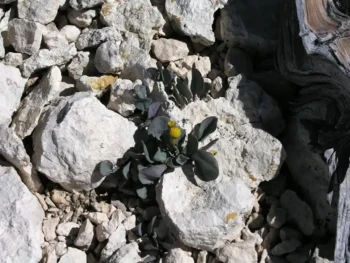
Podunk Ragwort: A Critically Endangered Utah Native You Shouldn’t Plant
Meet Podunk ragwort (Packera malmstenii), one of Utah’s rarest wildflowers and a plant that definitely shouldn’t be on your garden wish list. Before you get excited about adding this unique native to your landscape, there’s something crucial you need to know about this elusive perennial.
What Makes Podunk Ragwort Special (And Off-Limits)
Podunk ragwort is a perennial forb—basically a non-woody flowering plant that comes back year after year. It belongs to the sunflower family and was previously known by the scientific name Senecio malmstenii. But here’s the kicker: this plant is so rare that it has earned a Global Conservation Status of S1, meaning it’s critically imperiled.
What does S1 status mean exactly? It indicates that there are typically five or fewer known populations of this plant in existence, with very few remaining individuals (fewer than 1,000 total). That makes Podunk ragwort rarer than many animals on the endangered species list!
Where Does Podunk Ragwort Call Home?
This native plant is found exclusively in Utah, making it what botanists call an endemic species. Its extremely limited range contributes to its precarious conservation status, and every known population is precious for the species’ survival.
- Species observed
- No observations
Why You Shouldn’t Plant Podunk Ragwort
While it might be tempting to help conserve this rare native by growing it in your garden, here’s why that’s not a good idea:
- Critically endangered status: With so few plants left in the wild, any removal or disturbance could push the species closer to extinction
- Unknown growing requirements: Because it’s so rare, we don’t fully understand its specific habitat needs or growing conditions
- Legal protection: Rare plants like this are often protected by state and federal laws
- Limited availability: Responsibly sourced seeds or plants would be nearly impossible to obtain
Better Alternatives for Utah Gardens
Instead of trying to grow Podunk ragwort, consider these more common and garden-friendly Utah natives that can provide similar ecological benefits:
- Other Packera species that are more common and stable
- Native sunflowers and asters
- Local wildflower mixes designed for Utah gardens
How You Can Help Podunk Ragwort
While you can’t grow this rare beauty in your garden, you can still support its conservation:
- Support organizations working on Utah native plant conservation
- Choose other native plants for your landscape to support local ecosystems
- Report any suspected sightings to local botanists or conservation groups
- Advocate for habitat protection in Utah
The Takeaway
Podunk ragwort serves as a reminder of how precious and fragile our native plant heritage can be. While we can’t invite this particular species into our gardens, we can honor its existence by making thoughtful choices about the native plants we do grow. Every native plant we cultivate helps support the complex web of life that species like Podunk ragwort depend on.
Sometimes the best way to show love for a plant is to admire it from afar and let it thrive in its natural habitat—however small and precious that habitat might be.