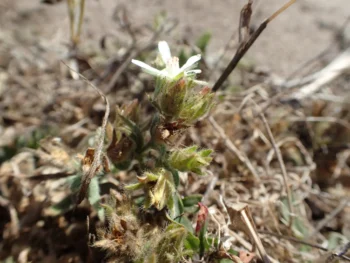
Point Reyes Horkelia: A Rare California Native Worth Protecting
Meet Point Reyes horkelia (Horkelia marinensis), a charming but critically rare native plant that calls California’s coastal regions home. This little perennial forb might not be the showiest plant in your garden, but it carries an important story of conservation and the delicate balance of our native ecosystems.
What Makes Point Reyes Horkelia Special?
Point Reyes horkelia belongs to the rose family and shares some similarities with its better-known relative, Potentilla marinensis (an older scientific name for the same plant). As a perennial forb, this plant lacks woody stems but returns year after year, forming low-growing clumps that spread slowly over time.
The aesthetic appeal lies in its delicate compound leaves with toothed leaflets and clusters of small white to pale pink flowers that bloom in late spring and early summer. While it won’t create dramatic focal points like a showy native shrub might, it offers subtle beauty and plays an important ecological role.
Where Does It Come From?
This rare beauty is native to California, with its primary home in the coastal areas around Marin County, particularly the Point Reyes area that gives it its common name. Its extremely limited natural range contributes to its conservation concerns.
- Species observed
- No observations
A Conservation Alert: Rarity Matters
Important: Point Reyes horkelia has a Global Conservation Status of S2, meaning it’s considered Imperiled due to extreme rarity. With typically only 6 to 20 occurrences and few remaining individuals (1,000 to 3,000 plants), this species is especially vulnerable to extinction.
If you’re interested in growing this plant, it’s crucial to source it only from reputable native plant nurseries that propagate from ethically collected seeds or cuttings. Never collect plants or seeds from wild populations.
Growing Point Reyes Horkelia: What You Need to Know
For gardeners in USDA hardiness zones 9-10 who want to contribute to conservation efforts, Point Reyes horkelia can be a rewarding addition to the right garden setting.
Ideal Growing Conditions
- Well-draining soil is essential
- Full sun to partial shade
- Coastal or Mediterranean climate
- Drought tolerant once established
- Minimal water requirements after the first growing season
Best Garden Settings
- Native California plant gardens
- Coastal gardens
- Rock gardens or well-draining slopes
- Wildlife and pollinator gardens
- Conservation collections
Planting and Care Tips
Plant Point Reyes horkelia in fall when cooler temperatures and winter rains will help establish the root system. Choose a location with excellent drainage – this plant doesn’t tolerate soggy conditions. Once established, it requires minimal care and actually prefers to be left alone rather than fussed over.
Avoid overwatering, especially during summer months when the plant naturally goes dormant. A light mulch can help retain moisture during the establishment period, but pull it back from the crown to prevent rot.
Supporting Pollinators and Wildlife
While small in stature, Point Reyes horkelia provides valuable nectar and pollen for native bees and other small pollinators. Its flowers may be modest, but they’re perfectly sized for California’s native solitary bees and other beneficial insects.
Should You Grow Point Reyes Horkelia?
This plant is best suited for dedicated native plant enthusiasts who understand the responsibility that comes with growing rare species. If you have the right growing conditions and can source plants ethically, growing Point Reyes horkelia can be part of important ex-situ conservation efforts.
However, if you’re new to native gardening or looking for easier-to-find alternatives, consider other California native members of the rose family that provide similar ecological benefits without the conservation concerns. Your local native plant society can suggest appropriate substitutes for your specific region.
Remember: every rare plant we can successfully cultivate and propagate responsibly is a small victory for conservation. Point Reyes horkelia represents both the fragility and resilience of California’s unique coastal ecosystems.