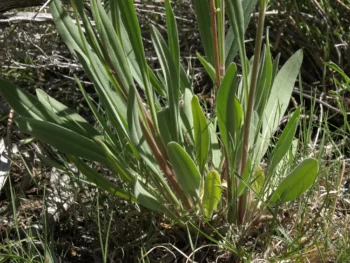
Poison Canyon Stickseed: A Rare California Native Worth Knowing About
Meet Poison Canyon stickseed (Hackelia brevicula), one of California’s most elusive native wildflowers. This little-known perennial forb represents something special in the world of native plants – it’s a botanical treasure that’s become increasingly rare in our modern landscape.
What Makes This Plant Special
Poison Canyon stickseed belongs to the borage family and shares the characteristic small, delicate flowers typical of its relatives. As a perennial forb, it lacks woody stems and dies back to the ground each year, returning from its root system when conditions are right. Don’t let the name fool you – despite poison in its common name, this refers more to its habitat location than any toxic properties.
Where You’ll Find It (Or Won’t)
This native California species has an extremely limited range, found only in specific locations within the Golden State. Its distribution is so restricted that botanists have documented only 6 to 20 known occurrences of this species in the wild.
- Species observed
- No observations
A Conservation Concern
Here’s where things get serious: Poison Canyon stickseed carries a Global Conservation Status of S2, meaning it’s imperiled. With typically fewer than 1,000 to 3,000 individuals remaining across all known populations, this plant is walking a tightrope toward extinction. Several factors contribute to its vulnerability:
- Extremely limited natural habitat
- Small population sizes
- Specialized growing requirements
- Potential habitat loss or degradation
Should You Grow It?
This is where we need to have an honest conversation. While supporting native plants is always admirable, Poison Canyon stickseed presents unique challenges and responsibilities:
The reality check: Very little is known about this species’ specific growing requirements, propagation methods, or care needs. Its rarity suggests it has very particular habitat preferences that may be difficult to replicate in home gardens.
The ethical consideration: If you’re absolutely determined to grow this species, you must ensure any plant material comes from responsible, sustainable sources – never from wild collection. However, given its imperiled status, it’s questionable whether such sources even exist for home gardeners.
Better Alternatives for Your Garden
Instead of potentially contributing to pressure on wild populations, consider these related California natives that offer similar ecological benefits:
- Jessica’s stickseed (Hackelia bella) – if available
- Other native borage family members
- California native wildflowers suited to your specific region
How You Can Help
The best way to support Poison Canyon stickseed isn’t necessarily growing it, but rather supporting conservation efforts:
- Learn about and protect California’s native plant habitats
- Support organizations working on rare plant conservation
- Choose other California natives for your garden
- Spread awareness about rare plant conservation
The Bigger Picture
Poison Canyon stickseed serves as a reminder of how much botanical diversity we still have to discover, understand, and protect. While we may not be able to invite this particular species into our gardens, we can honor its existence by becoming better stewards of the native plants we can grow.
Every rare plant tells a story about the intricate web of life that makes up our natural world. By choosing to plant other California natives and supporting conservation efforts, we’re helping ensure that future generations might still have the chance to encounter treasures like Poison Canyon stickseed in their wild homes.