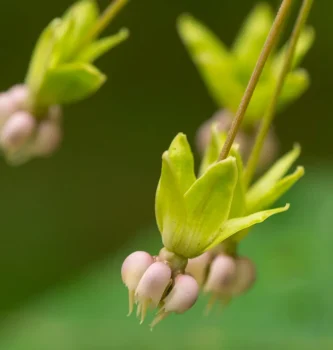
Poke Milkweed: The Shade-Loving Native That Monarchs Adore
If you’ve been searching for a native milkweed that actually thrives in shade, let me introduce you to your new garden best friend: poke milkweed (Asclepias exaltata). While most milkweeds demand full sun like a sunbathing cat, this woodland wonder breaks the mold by flourishing in partial to full shade – making it a game-changer for gardeners with less-than-sunny spaces.
What Makes Poke Milkweed Special
Poke milkweed is a perennial native that stands out from its sun-loving cousins in several delightful ways. This tall beauty can reach impressive heights, making it a fantastic backdrop plant for woodland gardens. Its clusters of small, greenish-white to pinkish flowers may seem understated at first glance, but they’re absolute magnets for butterflies – especially our beloved monarchs who depend on milkweeds for their survival.
The plant gets its common name from its broad, lance-shaped leaves that somewhat resemble those of pokeweed, though the two plants are entirely unrelated. Don’t let the name fool you – this milkweed is perfectly safe and beneficial for your garden ecosystem.
Where Poke Milkweed Calls Home
This native treasure has quite an impressive range across eastern North America. You’ll find poke milkweed naturally growing from Canada down through the eastern United States, including Alabama, Connecticut, Delaware, Georgia, Illinois, Indiana, Iowa, Kentucky, Maine, Maryland, Massachusetts, Michigan, Minnesota, Mississippi, New Hampshire, New Jersey, New York, North Carolina, Ohio, Pennsylvania, Rhode Island, South Carolina, Tennessee, Vermont, Virginia, West Virginia, and Wisconsin, plus Ontario and Quebec in Canada.
- Species observed
- No observations
Important note for Alabama gardeners: Poke milkweed is considered rare (S1 status) in Alabama, so if you’re in the Heart of Dixie and want to grow this beauty, please source your plants or seeds from reputable native plant nurseries rather than wild collection.
Why Your Garden (and Local Wildlife) Will Thank You
Here’s where poke milkweed really shines as a garden addition:
- Monarch magnet: Like all milkweeds, it’s essential for monarch butterfly reproduction
- Pollinator paradise: Attracts various butterflies and beneficial insects
- Shade tolerance: Thrives where other milkweeds fear to tread
- Native credentials: Supports local ecosystems and wildlife
- Low maintenance: Once established, it’s remarkably self-sufficient
Perfect Garden Companions and Settings
Poke milkweed is ideal for:
- Woodland gardens and forest edges
- Shade gardens needing native options
- Rain gardens and naturalized areas
- Native plant gardens and pollinator habitats
- Areas with moist, well-drained soil
It plays beautifully with other shade-loving natives like wild ginger, trilliums, and ferns, creating a lush, naturalistic planting that looks like it belongs.
Growing Conditions: Making Poke Milkweed Happy
The good news? Poke milkweed isn’t particularly fussy once you understand its preferences:
- Light: Partial to full shade (though it can tolerate some morning sun)
- Soil: Moist, well-drained soil with good organic content
- Hardiness: USDA zones 3-8
- Moisture: Prefers consistent moisture but not waterlogged conditions
Unlike many milkweeds that prefer dry, sunny conditions, poke milkweed is typically found in woodland settings where it enjoys the rich, moist soil and dappled light filtering through the canopy.
Planting and Care Tips
When to plant: Spring is ideal, after the last frost danger has passed.
Getting started:
- Choose a partially shaded spot with rich, moist soil
- Amend heavy clay or sandy soil with compost
- Space plants about 18-24 inches apart
- Water regularly during the first growing season
- Apply a layer of organic mulch to retain moisture
Ongoing care: Once established, poke milkweed is refreshingly low-maintenance. It may self-seed in favorable conditions, giving you more plants to enjoy or share with fellow gardeners. In fall, you can leave the seed pods for wildlife or collect seeds for propagation.
A Few Considerations
Like all milkweeds, poke milkweed produces a milky sap that can be irritating to skin and eyes, so wear gloves when handling. It’s also worth noting that this plant can grow quite tall, so plan accordingly in your garden design.
The wetland status varies by region – it’s typically an upland species that prefers well-drained woodland conditions rather than soggy areas.
The Bottom Line
Poke milkweed deserves a spot in every shade gardener’s heart (and garden). It’s that rare combination of beautiful, beneficial, and perfectly adapted to shadier conditions where other milkweeds struggle. Plus, you’ll have the satisfaction of knowing you’re supporting monarch butterflies and other pollinators while growing a truly native treasure.
Whether you’re creating a woodland oasis or simply want to add some native flair to a shady corner, poke milkweed delivers on all fronts. Just remember to source responsibly, especially if you’re gardening in Alabama where this beauty is considered rare.