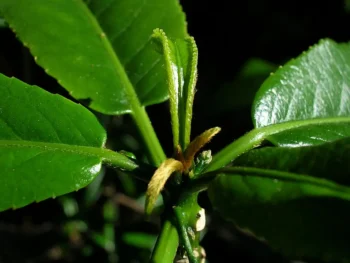
Po’ola: A Rare Hawaiian Native Worth Protecting
If you’re passionate about native Hawaiian plants and conservation, you may have heard whispers about po’ola (Claoxylon sandwicense). This unassuming shrub might not be the showiest plant in your garden, but it carries a story that’s both fascinating and sobering – one of rarity, resilience, and the urgent need for conservation.
What Makes Po’ola Special?
Po’ola is a perennial shrub that’s completely endemic to Hawaii – meaning you won’t find it growing wild anywhere else on Earth. This multi-stemmed woody plant typically stays under 13-16 feet tall, with several stems arising from near the ground. While it may look like just another green shrub to the untrained eye, po’ola represents millions of years of evolution in isolation on the Hawaiian Islands.
The plant goes by a few names – you might see it written as po`ola or encounter its various scientific synonyms in botanical literature. But regardless of what you call it, this species is facing serious challenges in the wild.
A Plant in Peril
Here’s where the story gets serious: po’ola has a Global Conservation Status of S2, which means it’s imperiled. In conservation speak, this means the species is extremely rare and vulnerable to disappearing forever. We’re talking about only 6 to 20 known populations in the wild, with somewhere between 1,000 to 3,000 individual plants remaining.
This rarity status puts po’ola in a precarious position. Every remaining plant matters, and every garden that could potentially provide a safe haven becomes important for the species’ survival.
Where Po’ola Calls Home
Po’ola is found exclusively in Hawaii, scattered across the island chain in increasingly fragmented populations. These plants have adapted to Hawaii’s unique tropical conditions over countless generations, making them perfectly suited to the islands’ climate but potentially challenging to grow elsewhere.
- Species observed
- No observations
Should You Grow Po’ola?
This is where things get complicated. While po’ola would make a meaningful addition to any native Hawaiian plant collection, its endangered status means you can’t just order seeds online or pick up a plant at your local nursery.
If you’re considering po’ola for your garden, here’s what you need to know:
- Only source plants from reputable conservation organizations or licensed native plant nurseries
- Ensure any plants you acquire are ethically propagated, not collected from wild populations
- Work with local botanists or conservation groups who understand the species’ needs
- Consider this plant only if you’re in USDA hardiness zones 10-11 (tropical conditions)
Growing Conditions and Care
Po’ola evolved in Hawaii’s tropical environment, so it needs warm temperatures year-round and protection from frost. While specific growing requirements aren’t well-documented due to the plant’s rarity, most Hawaiian natives prefer well-draining soil and conditions that mimic their natural habitat.
If you’re serious about growing po’ola, your best bet is connecting with:
- Hawaiian native plant societies
- University extension programs in Hawaii
- Conservation organizations working with endangered Hawaiian flora
- Botanical gardens with Hawaiian plant programs
The Bigger Picture
Whether or not you ever grow po’ola in your garden, this little shrub serves as a powerful reminder of what we stand to lose. Hawaii has already lost many of its native plants to habitat destruction, invasive species, and climate change. Po’ola represents the hundreds of species that are hanging on by a thread.
Supporting conservation efforts, choosing native plants for your garden, and spreading awareness about endangered species like po’ola are all ways to make a difference. Sometimes the most important plants aren’t the prettiest ones – they’re the ones that need our help the most.
Moving Forward Responsibly
If po’ola has captured your interest, approach it with the respect it deserves. This isn’t a plant for casual gardeners or impulse purchases. It’s a species that needs thoughtful, informed conservation efforts from people who understand the stakes.
Consider starting with other native Hawaiian plants that are more readily available and better understood, while supporting the organizations working to save species like po’ola for future generations. Sometimes the best way to help a rare plant is to ensure its habitat – and the entire ecosystem it depends on – remains healthy and protected.