Porter’s False Needlegrass: A Rare Mountain Beauty Worth Protecting
If you’re drawn to rare and unusual native plants, Porter’s false needlegrass might just capture your heart. This delicate mountain grass, scientifically known as Ptilagrostis porteri, is one of those special plants that makes you feel like you’ve discovered a hidden treasure. But before you start planning where to plant it, there are some important things you need to know about this uncommon beauty.
What Makes Porter’s False Needlegrass Special?
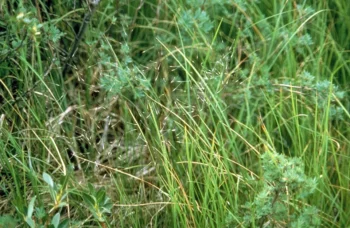
Porter’s false needlegrass is a perennial grass that brings an ethereal quality to any garden lucky enough to host it. This graminoid (that’s botanist-speak for grass-like plant) produces fine-textured foliage and delicate, feathery seed heads that dance gracefully in mountain breezes. It’s the kind of plant that stops visitors in their tracks, wondering what that elegant grass is swaying so beautifully in your garden.
Where Does It Call Home?
This native beauty has a rather exclusive address – you’ll find it naturally occurring only in Colorado and New Mexico, where it thrives in high-elevation environments. Porter’s false needlegrass is perfectly adapted to life in the mountains, making it a true regional treasure for gardeners in these areas.
- Species observed
- No observations
The Rarity Reality Check
Here’s where things get serious: Porter’s false needlegrass has a Global Conservation Status of S2, which means it’s considered Imperiled. In plain English, this plant is extremely rare, with typically only 6 to 20 known occurrences and somewhere between 1,000 to 3,000 individual plants remaining in the wild. This rarity status makes it especially vulnerable to disappearing forever.
What does this mean for you as a gardener? If you’re determined to grow this remarkable grass, you absolutely must source it responsibly. Never collect plants or seeds from wild populations – this could push the species closer to extinction. Instead, work only with reputable native plant nurseries that propagate their own stock ethically.
Is It Right for Your Garden?
Porter’s false needlegrass isn’t your typical lawn substitute or border plant. This mountain native is best suited for:
- Alpine and rock gardens
- Native plant collections
- Specialized high-elevation landscapes
- Conservation gardens focused on rare species
Its delicate appearance makes it perfect as an accent plant, where its fine texture can provide contrast against broader-leafed companions or serve as a graceful backdrop for alpine wildflowers.
Growing Conditions: Not for the Faint of Heart
Let’s be honest – growing Porter’s false needlegrass is challenging. This plant evolved in harsh mountain conditions and expects nothing less in cultivation. Here’s what it needs:
- Drainage: Excellent drainage is absolutely critical – think rocky, sandy, or gravelly soils
- Sunlight: Full sun exposure
- Temperature: Cool conditions, thriving in USDA hardiness zones 4-6
- Elevation: Prefers higher elevations with cooler summers
Planting and Care Tips
If you’re up for the challenge, here are some tips for success:
- Plant in spring after the last frost
- Amend heavy soils with coarse sand and gravel to improve drainage
- Avoid overwatering – this plant is adapted to lean conditions
- Don’t fertilize heavily; mountain natives prefer nutrient-poor soils
- Be patient – establishment can be slow
- Protect from hot, drying winds in summer
Wildlife and Ecosystem Benefits
While Porter’s false needlegrass is wind-pollinated and doesn’t attract pollinators directly, it plays an important role in its native mountain ecosystem. The seeds may provide food for small birds and mammals, and the plant contributes to soil stability in its harsh mountain habitat.
The Bottom Line
Porter’s false needlegrass is a plant for the truly dedicated native plant enthusiast. Its rarity means it’s not a casual garden addition – it’s a commitment to conservation. If you decide to grow this special grass, you’re becoming a steward of a rare species, helping to preserve its genetic diversity for future generations.
Remember: only obtain plants from ethical sources, be prepared for a gardening challenge, and consider whether your garden conditions can truly meet this mountain native’s specific needs. Sometimes the most responsible choice is to appreciate rare plants in their natural habitat or in botanical gardens rather than attempting to grow them at home.
For most gardeners seeking native grasses with similar aesthetic appeal, consider more common alternatives like buffalo grass or blue grama that offer beauty without the conservation concerns.