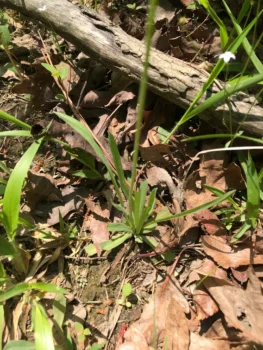
Potato Dwarfdandelion: A Tiny Native Treasure Worth Protecting
Meet the potato dwarfdandelion (Krigia dandelion), a charming little native wildflower that’s as humble as its name suggests. This petite perennial might not win any height contests, but what it lacks in stature, it more than makes up for in character and ecological value.
What Makes This Little Guy Special?
The potato dwarfdandelion is a true American native, calling the lower 48 states home across a impressive range that spans from Florida to Illinois and from Texas to Virginia. You’ll find this plucky little forb growing wild in Alabama, Arkansas, District of Columbia, Florida, Georgia, Illinois, Indiana, Iowa, Kansas, Kentucky, Louisiana, Maryland, Mississippi, Missouri, New Jersey, North Carolina, Ohio, Oklahoma, South Carolina, Tennessee, Texas, and Virginia.
- Species observed
- No observations
Also known by its synonym Cynthia dandelion, this perennial forms low-growing rosettes that produce cheerful yellow daisy-like flowers from spring through fall. Despite its dandelion comparison, it’s actually quite different from the common lawn weed we all know.
A Plant That Needs Our Help
Here’s where things get serious: the potato dwarfdandelion is listed as endangered in New Jersey, with special protections in the Pinelands and Highlands regions. This rarity status makes it a plant worth celebrating and protecting in our gardens.
If you’re considering adding this species to your landscape, please make sure you source it responsibly from reputable native plant nurseries that propagate their own stock rather than collecting from wild populations.
Growing Conditions and Care
The good news? This little beauty is surprisingly easy to please once you understand its preferences:
- Sunlight: Full sun to partial shade
- Soil: Sandy, well-drained soils (it really doesn’t like wet feet!)
- Water: Drought tolerant once established
- Hardiness: Thrives in USDA zones 5-9
- Maintenance: Low maintenance once established
Where It Fits in Your Garden
The potato dwarfdandelion isn’t your typical border perennial, but it has its place in the right garden settings:
- Rock gardens where its small stature won’t be overwhelmed
- Native plant collections and restoration projects
- Specialized habitats that mimic its natural growing conditions
- Areas with sandy, well-draining soil where other plants struggle
Ecological Benefits
Don’t let its size fool you – this little plant pulls its weight in the ecosystem. Its bright yellow composite flowers attract small native bees, flies, and other pollinators throughout its long blooming season. Every native plant in your garden is a small victory for local wildlife!
Wetland Considerations
Interestingly, the potato dwarfdandelion has different wetland tolerances depending on where it’s growing. In most regions, it’s classified as Facultative Upland, meaning it usually prefers non-wetland conditions but can occasionally tolerate some moisture. In the Eastern Mountains and Piedmont, it’s more adaptable to both wet and dry conditions.
The Bottom Line
Should you plant potato dwarfdandelion? If you can source it responsibly and have the right growing conditions, absolutely! This native gem deserves a place in more gardens, especially given its conservation status. Just remember that good drainage is key to success, and patience is a virtue – like many native plants, it may take time to establish but will reward you with years of cheerful blooms and the satisfaction of supporting native biodiversity.
By choosing to grow this endangered native, you’re not just adding a unique plant to your garden – you’re participating in conservation right in your own backyard.