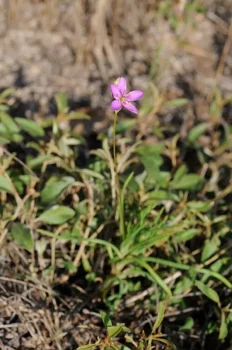
Prairie Fameflower: A Hidden Gem for Native Plant Enthusiasts
Meet the prairie fameflower (Phemeranthus rugospermus), a charming little native perennial that’s flying under the radar in most gardens. This unassuming wildflower might not make the cover of gardening magazines, but it’s got some serious credentials that make it worth a second look – especially if you’re passionate about supporting native ecosystems.
What Makes Prairie Fameflower Special?
Prairie fameflower is a true American native, naturally occurring across ten states including Arkansas, Illinois, Indiana, Iowa, Kansas, Louisiana, Minnesota, Nebraska, Texas, and Wisconsin. This perennial forb (that’s garden-speak for a non-woody flowering plant) has been quietly doing its thing in prairies and open spaces for centuries, long before we started fussing over exotic garden varieties.
- Species observed
- No observations
You might also see this plant listed under its former scientific name, Talinum rugospermum, in older gardening references. Don’t let the name confusion fool you – it’s the same delightful little prairie dweller.
A Word of Caution: Rarity Matters
Here’s something important to know before you rush out plant shopping: prairie fameflower is considered rare in some areas. It has a global conservation status of S3S4, and in Arkansas specifically, it’s ranked as S1, meaning it’s critically imperiled in that state. If you decide to grow this beauty, please make sure you’re getting your plants or seeds from reputable native plant nurseries that source responsibly – never collect from wild populations.
Why Consider Prairie Fameflower for Your Garden?
Despite its rarity (or perhaps because of it), there are compelling reasons to include prairie fameflower in your native plant collection:
- **True native credentials**: Supporting local ecosystems and wildlife
- **Low maintenance**: Once established, it’s quite drought tolerant
- **Pollinator friendly**: Attracts native bees and other beneficial insects
- **Unique charm**: Delicate flowers that open in the afternoon and evening
- **Conservation impact**: Growing rare natives helps preserve genetic diversity
Garden Design Ideas
Prairie fameflower shines in several garden settings:
- **Prairie restorations**: Perfect for authentic native grassland gardens
- **Rock gardens**: Its low-growing habit and drought tolerance make it ideal for rocky, well-drained spots
- **Xeriscapes**: Excellent choice for water-wise landscaping
- **Naturalized areas**: Let it mingle with other native wildflowers in informal plantings
Growing Prairie Fameflower Successfully
The good news is that prairie fameflower isn’t particularly fussy once you understand its basic needs. Think prairie conditions and you’ll be on the right track.
Ideal Growing Conditions
- **Sunlight**: Full sun is essential – this prairie native loves bright, direct sunlight
- **Soil**: Well-drained soil is non-negotiable; it can’t tolerate wet feet
- **Water**: Drought tolerant once established, but provide regular water the first season
- **Climate**: Hardy in USDA zones 4-8, handling both cold winters and hot summers
Planting and Care Tips
Getting prairie fameflower established is straightforward if you avoid the biggest mistake: overwatering. Here’s how to set it up for success:
- **Timing**: Plant in spring after the last frost, or in fall at least 6-8 weeks before hard freeze
- **Soil prep**: Ensure excellent drainage – amend heavy clay soils with sand or gravel if needed
- **Watering**: Water regularly the first year, then back off and let natural rainfall do the work
- **Fertilizing**: Skip the fertilizer – prairie plants prefer lean soils
- **Maintenance**: Minimal care needed; deadhead if desired, but many gardeners leave seed heads for wildlife
What to Expect
Prairie fameflower won’t overwhelm you with size – it’s more about subtle beauty than bold statements. Expect small, delicate flowers in shades of pink to white that have the charming habit of opening in the late afternoon and evening. The succulent-like foliage provides interesting texture even when the plant isn’t blooming.
Wildlife and Pollinator Benefits
While prairie fameflower might look modest, it’s working hard to support local ecosystems. Native bees and other small pollinators appreciate its flowers, and birds may enjoy the seeds. Every native plant you add to your garden is a small victory for biodiversity.
The Bottom Line
Prairie fameflower might not be the showiest plant you’ll ever grow, but it offers something special: the satisfaction of nurturing a piece of authentic American prairie heritage. If you can source it responsibly and provide the well-drained, sunny conditions it craves, you’ll be rewarded with a low-maintenance native that quietly supports local wildlife while adding subtle charm to your garden.
Just remember – with great rarity comes great responsibility. Choose your source carefully, and consider yourself a steward of this special prairie treasure.