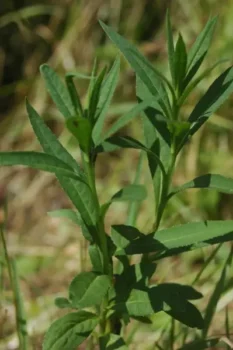
Prairie Ironweed: A Late-Season Native Wildflower That Packs a Purple Punch
If you’re looking for a native plant that brings drama to your garden when most other flowers are calling it quits for the season, prairie ironweed might just be your new best friend. This tall, stately perennial forb delivers stunning purple blooms right when your garden needs them most – in late summer and early fall.
What Is Prairie Ironweed?
Prairie ironweed (Vernonia fasciculata) is a native North American perennial that belongs to the sunflower family. Don’t let the ironweed name fool you – there’s nothing weedy about this beautiful wildflower. It’s a robust forb, meaning it’s a non-woody plant that comes back year after year, adding reliable color and structure to your landscape.
Where Prairie Ironweed Calls Home
This hardy native has quite an impressive range across North America. You’ll find prairie ironweed growing naturally from Canada down through the central and eastern United States, including Manitoba, Arkansas, Colorado, Illinois, Indiana, Iowa, Kansas, Kentucky, Massachusetts, Minnesota, Mississippi, Missouri, Montana, Nebraska, New York, North Dakota, Ohio, Oklahoma, South Dakota, Texas, and Wisconsin.
- Species observed
- No observations
Why Your Garden Will Love Prairie Ironweed
Prairie ironweed typically reaches 3-6 feet tall with a sturdy, upright growth habit that adds vertical interest to any planting. In late summer through early fall, it produces clusters of vibrant purple flowers that create a spectacular show just when many other plants are starting to fade.
Here’s why prairie ironweed deserves a spot in your landscape:
- Late-season blooms provide crucial nectar when pollinators need it most
- Attracts butterflies, bees, and other beneficial insects
- Excellent for prairie gardens, rain gardens, and naturalized areas
- Perfect backdrop plant for shorter wildflowers
- Adds autumn interest with its tall, architectural form
Perfect Garden Spots for Prairie Ironweed
This versatile native shines in several garden styles:
- Prairie and wildflower gardens: Right at home with other native grasses and wildflowers
- Rain gardens: Loves moist conditions and helps with water management
- Native plant gardens: A must-have for authentic regional plantings
- Pollinator gardens: Provides late-season nectar when it’s most needed
- Background plantings: Creates a stunning backdrop for shorter plants
Growing Conditions That Make Prairie Ironweed Happy
One of the best things about prairie ironweed is how adaptable it is. This plant thrives in USDA hardiness zones 3-8, making it suitable for a wide range of climates.
Light requirements: Full sun to partial shade (though it performs best with at least 6 hours of direct sunlight)
Soil preferences: Prairie ironweed is quite flexible when it comes to soil. It prefers moist to wet conditions but can tolerate various soil types, including clay. Its wetland status varies by region – it’s considered a facultative wetland plant in most areas, meaning it usually grows in wetlands but can adapt to drier sites.
Planting and Care Tips
The beauty of prairie ironweed lies in its low-maintenance nature. Once established, this native requires minimal fuss:
- Planting: Spring is the ideal time to plant. Space plants 2-3 feet apart to allow for their mature size
- Watering: Water regularly the first year to establish roots. Once mature, it’s quite drought-tolerant, though it prefers consistent moisture
- Maintenance: Cut back stems in late winter or early spring before new growth emerges
- Propagation: Prairie ironweed may self-seed, giving you new plants naturally. You can also divide established clumps in spring
- Fertilizing: Generally unnecessary – native plants prefer lean soils
Wildlife and Pollinator Benefits
Prairie ironweed is a pollinator powerhouse, especially valuable because it blooms when many other nectar sources are scarce. Butterflies absolutely love it, and you’ll likely see monarchs, painted ladies, and various fritillaries visiting the flowers. Bees and other beneficial insects also rely on its late-season nectar to build up energy reserves before winter.
Is Prairie Ironweed Right for Your Garden?
Prairie ironweed is an excellent choice if you want a low-maintenance native that provides late-season color and supports local wildlife. It’s particularly valuable for gardeners looking to create authentic prairie or meadow plantings, or anyone wanting to support pollinators with late-summer blooms.
Keep in mind that this plant can get quite tall, so plan accordingly in your design. It works beautifully as a background plant or in the center of island beds where its height won’t overshadow shorter companions.
With its stunning purple flowers, easy care requirements, and valuable wildlife benefits, prairie ironweed proves that native plants can be both beautiful and beneficial. Give this late-blooming beauty a try, and you’ll wonder why you waited so long to invite it into your garden!