Prairie Junegrass: A Delicate Native Grass for Naturalistic Gardens
If you’re looking to add some authentic prairie charm to your landscape, prairie junegrass might just be the unsung hero your garden needs. This delicate native grass brings subtle beauty and ecological value to naturalistic plantings, though it’s definitely more of a supporting player than a showstopper.
What is Prairie Junegrass?
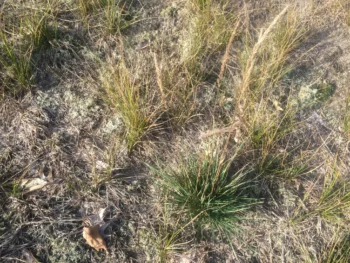
Prairie junegrass (Koeleria macrantha), also known as crested hair grass, is a perennial bunch grass that’s as hardy as it is humble. This fine-textured grass forms neat clumps rather than spreading aggressively, making it a well-behaved addition to gardens. Don’t expect flashy blooms though – its small, yellowish flower spikes are pretty inconspicuous, appearing in late spring.
Where Does It Grow Naturally?
This adaptable grass has one of the most impressive native ranges you’ll find. Prairie junegrass calls home to Alaska, Canada, and nearly every state in the lower 48, from Alabama to Wyoming. It’s even found its way to Hawaii, though there it’s considered non-native. With such a wide distribution, there’s a good chance this grass originally grew in your area long before suburbia arrived.
- Species observed
- No observations
Should You Plant Prairie Junegrass?
Here’s where things get interesting. While prairie junegrass isn’t invasive or problematic, it does have some conservation concerns in certain areas – it’s considered rare (S2 status) in Arkansas. If you decide to grow it, make sure you source your seeds or plants responsibly from reputable native plant suppliers.
This grass is perfect for gardeners who:
- Want to create authentic prairie or meadow gardens
- Need erosion control on slopes
- Are working with challenging, drought-prone sites
- Appreciate subtle, naturalistic beauty over flashy displays
- Want low-maintenance native plantings
However, it might not be your best choice if you’re looking for a dramatic focal point or need a grass that provides significant wildlife food sources.
What Does It Look Like?
Prairie junegrass reaches about 1.5 feet tall and forms upright, erect clumps with a bunch-type growth pattern. The foliage is fine-textured and green, creating a delicate, almost wispy appearance. It has a relatively short lifespan for a perennial, and its rapid growth rate means it establishes quickly but may need occasional reseeding.
Growing Conditions
One of prairie junegrass’s best qualities is its adaptability to tough conditions. This resilient grass thrives in:
- Soil types: Coarse to medium-textured soils (avoid heavy clay)
- Moisture: Drought tolerant once established, though it uses moderate to high amounts of water
- Sun exposure: Full sun to partial shade
- pH range: 6.0 to 8.0 (quite tolerant of alkaline conditions)
- Hardiness: Extremely cold hardy, surviving temperatures down to -38°F
This grass is particularly valuable for challenging sites with poor, dry soils where other plants struggle.
Planting and Care Tips
Prairie junegrass is refreshingly easy to grow from seed, which is fortunate since it’s really the only practical propagation method. Here’s how to succeed:
- Seeding: Plant seeds in fall or early spring. With about 2.3 million seeds per pound, a little goes a long way
- Establishment: Be patient – seedlings have low vigor initially but will strengthen over time
- Maintenance: Cut back annually in late fall or early spring
- Fertilization: Generally unnecessary; this grass has medium fertility requirements
- Watering: Water during establishment, then let nature take over
The grass is most active during spring and fall, so that’s when you’ll see the most growth.
Landscape Uses
Prairie junegrass shines in naturalistic settings rather than formal gardens. Consider it for:
- Prairie and meadow restorations
- Erosion control on slopes
- Ground cover in challenging, dry areas
- Mixing with wildflowers in naturalistic plantings
- Creating texture contrast with broader-leaved plants
Wildlife and Ecological Value
While prairie junegrass isn’t a major wildlife magnet, it does contribute to ecosystem health as part of diverse native plant communities. As a wind-pollinated grass, it doesn’t offer much for pollinators directly, but it provides habitat structure and some seed for wildlife.
The Bottom Line
Prairie junegrass won’t win any beauty contests, but it’s a solid, reliable native that deserves consideration for the right situations. If you’re creating naturalistic landscapes, working with challenging sites, or simply want to grow something authentically local, this modest grass could be just what you need. Just remember to source it responsibly and appreciate it for what it is – a quiet contributor to beautiful, sustainable landscapes.