Prairie Pleatleaf: A Hidden Gem for Native Plant Enthusiasts
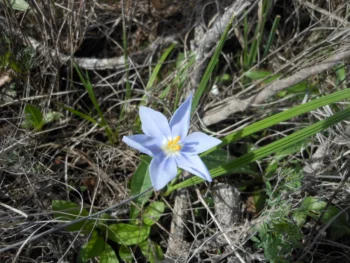
If you’re looking to add a touch of delicate beauty to your native plant garden, prairie pleatleaf (Nemastylis geminiflora) might just be the perfect addition. This charming little wildflower brings the subtle elegance of the prairie right to your backyard, complete with iris-like blooms that’ll have you doing double-takes every spring.
What Makes Prairie Pleatleaf Special?
Prairie pleatleaf is a native perennial forb that’s been quietly gracing the American landscape long before any of us started thinking about garden design. As a true native of the lower 48 states, this plant has spent centuries perfecting the art of thriving in challenging conditions while providing essential resources for local wildlife.
Don’t let its delicate appearance fool you – this little powerhouse is built for survival. The grasslike foliage emerges in early spring, followed by enchanting blue to purple flowers that look remarkably similar to tiny irises. It’s like having a miniature iris garden that actually belongs in your local ecosystem!
Where Prairie Pleatleaf Calls Home
You’ll find prairie pleatleaf naturally occurring across nine states: Alabama, Arkansas, Kansas, Louisiana, Mississippi, Missouri, Oklahoma, Tennessee, and Texas. This south-central distribution makes it particularly valuable for gardeners in these regions who want to support their local ecosystems.
- Species observed
- No observations
A Word About Rarity
Important note for conservation-minded gardeners: Prairie pleatleaf is considered rare in some parts of its range, with an S1 status in Alabama and S3 status in Arkansas. This means it’s quite uncommon to very rare in these states. If you’re planning to add this beauty to your garden, please source your plants or seeds responsibly from reputable native plant nurseries – never collect from wild populations.
Why Your Garden (and Local Wildlife) Will Love It
Prairie pleatleaf isn’t just a pretty face – it’s a hardworking member of the native plant community. Here’s what makes it garden-worthy:
- Pollinator magnet: Those charming blooms attract small native bees and other beneficial insects
- Low maintenance: Once established, it’s remarkably drought tolerant
- Naturalization champion: Perfect for creating authentic prairie and wildflower meadow settings
- Ecosystem support: Provides habitat and resources for native wildlife
Perfect Garden Companions
Prairie pleatleaf shines brightest in naturalized settings where it can mingle with other native wildflowers and grasses. Think prairie gardens, wildflower meadows, or naturalized areas of larger landscapes. It’s not really a formal garden type of plant – it prefers the relaxed, let’s see what happens approach to garden design.
This makes it ideal for gardeners who want to create habitat-focused landscapes or those looking to establish authentic regional plant communities.
Growing Prairie Pleatleaf Successfully
The good news? Prairie pleatleaf is refreshingly easy to grow once you understand its preferences.
Climate and Hardiness
This resilient native thrives in USDA hardiness zones 6-9, making it suitable for a wide range of climates across its native range.
Site Selection and Growing Conditions
Prairie pleatleaf appreciates:
- Light: Full sun to partial shade (morning sun is particularly appreciated)
- Soil: Well-draining soils – it’s not picky about soil type but absolutely hates wet feet
- Water: Moderate water during establishment, then drought tolerant
- Space: Give it room to naturalize and spread gradually
Planting and Care Tips
Here’s how to give your prairie pleatleaf the best start:
- Plant bulbs or corms in fall for spring emergence
- Choose a spot with good drainage – soggy soil is this plant’s kryptonite
- Water regularly the first year to help establishment
- After establishment, step back and let nature take the wheel
- Allow the foliage to die back naturally to feed the underground storage organs
- Avoid fertilizing – native plants prefer lean soils
The Bottom Line
Prairie pleatleaf is a wonderful choice for gardeners who want to support native ecosystems while enjoying subtle, natural beauty. Its rarity in some areas makes responsible sourcing essential, but for those willing to seek out properly propagated plants, it offers years of low-maintenance charm and wildlife support.
If you’re creating a prairie garden, establishing a wildflower meadow, or simply want to add more native plants to your landscape, prairie pleatleaf deserves a spot on your wish list. Just remember – this isn’t a plant for formal flower beds or high-maintenance gardens. It’s for those who appreciate the quiet beauty of native landscapes and want to give local pollinators and wildlife a helping hand.
Happy gardening, and here’s to keeping our native plant heritage alive and thriving!