Prairie Sandmat: A Humble Native Ground Cover Worth Discovering
If you’re searching for a low-maintenance, drought-tolerant ground cover that supports local ecosystems, prairie sandmat (Chamaesyce missurica) might just be the unassuming hero your garden needs. This native annual forb may not win any beauty contests, but it packs a punch when it comes to ecological value and adaptability.
What Is Prairie Sandmat?
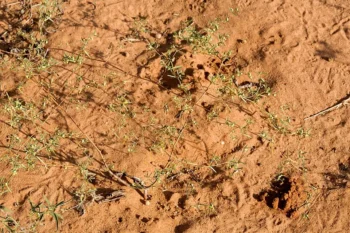
Prairie sandmat is a native annual forb that belongs to the spurge family. As its name suggests, this plant forms low, mat-like clusters that hug the ground, rarely growing more than a few inches tall. Don’t let its modest appearance fool you – this little plant has been quietly supporting Great Plains ecosystems for centuries.
The plant produces tiny, inconspicuous flowers and small oval leaves that create a subtle carpet effect. While it won’t provide the showy blooms of other native wildflowers, prairie sandmat offers a different kind of beauty in its delicate, spreading form.
Where Does Prairie Sandmat Naturally Grow?
Prairie sandmat is native to the central United States, naturally occurring across 14 states including Arkansas, Colorado, Iowa, Kansas, Minnesota, Missouri, Montana, Nebraska, New Mexico, North Dakota, Oklahoma, South Dakota, Texas, and Wyoming. This wide distribution speaks to its adaptability and resilience.
- Species observed
- No observations
Important Conservation Note
Before we dive into growing tips, there’s something important to know: prairie sandmat has a rarity status of S2 in Arkansas and Missouri, meaning it’s considered imperiled in these states. If you’re interested in growing this plant, please ensure you source seeds or plants from reputable native plant nurseries that use ethically collected, locally appropriate genetic material. Never collect from wild populations.
Why Grow Prairie Sandmat?
Here are several compelling reasons to consider prairie sandmat for your landscape:
- Native ecosystem support: As a native species, it provides food and habitat for local insects and other wildlife
- Drought tolerance: Once established, it requires minimal watering, making it perfect for water-wise gardening
- Low maintenance: This annual self-seeds readily, requiring little intervention from gardeners
- Pollinator benefits: Small native bees and beneficial wasps appreciate the nectar from its tiny flowers
- Soil adaptation: Thrives in challenging conditions where other plants might struggle
Ideal Growing Conditions
Prairie sandmat is refreshingly easy to please when it comes to growing conditions:
- Sunlight: Prefers full sun exposure
- Soil: Thrives in well-drained, sandy, or rocky soils
- pH: Prefers alkaline conditions but adapts to various soil types
- Water: Drought tolerant once established; avoid overwatering
- Hardiness: Suitable for USDA zones 3-9
Perfect Garden Settings
Prairie sandmat works beautifully in several landscape scenarios:
- Prairie restorations: Essential component of authentic Great Plains plant communities
- Xeriscaping: Excellent choice for water-conserving landscapes
- Rock gardens: Thrives in the well-drained conditions rock gardens provide
- Wildflower meadows: Provides subtle groundcover beneath showier native blooms
- Native plant gardens: Adds authenticity to regionally appropriate plantings
Planting and Care Tips
Growing prairie sandmat is straightforward, but here are some tips for success:
Planting:
- Direct seed in spring after the last frost
- Scatter seeds lightly on prepared soil surface
- Barely cover seeds with soil – they need light to germinate
- Keep soil lightly moist until germination occurs
Ongoing Care:
- Water sparingly once established – this plant prefers dry conditions
- Avoid fertilizing, as prairie sandmat thrives in lean soils
- Allow plants to self-seed for natural succession
- Minimal weeding needed once established in appropriate conditions
Is Prairie Sandmat Right for Your Garden?
Prairie sandmat is an excellent choice if you’re looking to create authentic native plant communities, especially in challenging dry or rocky areas. It’s particularly valuable for gardeners committed to supporting local ecosystems and biodiversity.
However, this plant might not be the best choice if you’re seeking immediate visual impact or formal garden aesthetics. Its understated nature makes it more suitable for naturalized areas rather than formal borders or showcase beds.
Given its conservation status in some states, growing prairie sandmat also represents a meaningful contribution to preserving regional biodiversity. By including this humble native in your landscape, you’re helping ensure that future generations can enjoy the subtle beauty and ecological benefits of this authentic piece of America’s natural heritage.