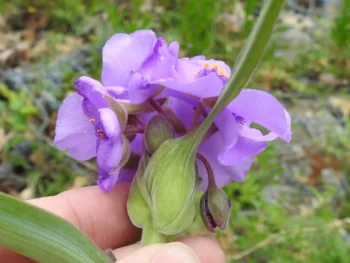
Prairie Spiderwort: A Delightful Native Wildflower for Your Garden
If you’re looking for a low-maintenance native wildflower that brings both beauty and ecological benefits to your garden, prairie spiderwort (Tradescantia occidentalis) might just be your new best friend. This charming perennial has been quietly gracing North American landscapes for centuries, and it’s ready to do the same for your backyard.
What Makes Prairie Spiderwort Special?
Prairie spiderwort is a true North American native, naturally occurring across a impressive range from Canada down through the Great Plains and into the southwestern United States. You’ll find this hardy perennial growing wild in states from Alberta and Manitoba in the north, all the way down to Texas and New Mexico in the south, with stops in between including Colorado, Kansas, Montana, Wyoming, and many others.
- Species observed
- No observations
As a perennial forb, prairie spiderwort comes back year after year without the woody stems of shrubs or trees. Instead, it produces clusters of grass-like foliage that serve as the perfect backdrop for its star attraction: delicate three-petaled flowers in shades of purple to blue that bloom from late spring through summer.
Why You’ll Love Growing Prairie Spiderwort
There are plenty of reasons to fall for this unpretentious wildflower:
- Incredibly hardy: Thrives in USDA zones 3-9, handling everything from harsh prairie winters to hot summers
- Drought tolerant: Once established, it needs minimal watering
- Pollinator magnet: Bees, butterflies, and other native pollinators absolutely love the blooms
- Low maintenance: This is definitely a plant it and forget it kind of flower
- Adaptable: Works well in full sun to partial shade conditions
Perfect Spots for Prairie Spiderwort
Prairie spiderwort shines in several garden settings:
- Native plant gardens and prairie restorations
- Naturalized landscapes and meadow gardens
- Xeriscaping and drought-tolerant gardens
- Pollinator gardens and butterfly gardens
- Ground cover in informal areas
One thing to keep in mind: prairie spiderwort is classified as an obligate upland plant in most regions, meaning it almost never occurs in wetlands. In the western regions, it’s considered facultative upland, which means it usually prefers non-wetland areas but can occasionally tolerate some moisture. Either way, this isn’t the plant for your rain garden or bog area.
Growing Prairie Spiderwort Successfully
The beauty of prairie spiderwort lies in its simplicity. Here’s how to grow it successfully:
Planting: Choose a spot with full sun to partial shade and well-drained soil. Prairie spiderwort isn’t picky about soil quality and can handle poor, rocky, or sandy conditions that might challenge other plants.
Watering: Water regularly during the first season to help establish roots, then back off. Mature plants are quite drought tolerant and prefer not to be pampered with too much water.
Maintenance: After the main blooming period, you can cut the plants back to encourage a second flush of flowers. The plant will also self-seed readily, so you might find new volunteers popping up in your garden – a delightful bonus!
Spacing: Give plants room to spread, as they can form small colonies over time through both seeds and spreading roots.
The Bottom Line
Prairie spiderwort is one of those wonderful native plants that gives you maximum reward for minimal effort. It brings authentic regional character to your landscape, supports local wildlife, and asks for very little in return. Whether you’re creating a prairie garden, adding to a pollinator border, or just want something beautiful and bulletproof for a sunny spot, prairie spiderwort delivers on all fronts.
Best of all, by choosing this native species, you’re supporting the broader ecosystem that evolved alongside it. Your local bees, butterflies, and other wildlife will thank you for choosing a plant that truly belongs in your region’s natural community.