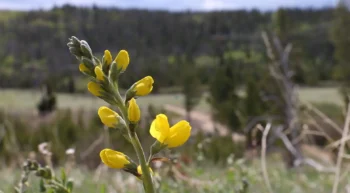
Prairie Thermopsis: A Golden Gem for Low-Maintenance Native Gardens
If you’re looking for a cheerful, low-maintenance native plant that brings both beauty and ecological benefits to your garden, prairie thermopsis might just be your new favorite wildflower. This hardy perennial legume is like that reliable friend who always brightens your day – dependable, beautiful, and surprisingly easy to get along with.
What is Prairie Thermopsis?
Prairie thermopsis (Thermopsis rhombifolia) is a native North American perennial forb that belongs to the pea family. As a forb, it’s a non-woody flowering plant that dies back to the ground each winter and returns with fresh growth in spring. This golden beauty has earned its place in native plant gardens across the continent with its striking yellow flower spikes and silvery-green foliage.
Where Does It Call Home?
This adaptable native spans an impressive geographic range, naturally occurring across both Canada and the lower 48 states. You’ll find it thriving in Alberta, British Columbia, Manitoba, Ontario, Saskatchewan, Colorado, Montana, Nebraska, New Mexico, North Dakota, Oklahoma, South Dakota, Utah, Wisconsin, and Wyoming. Talk about a well-traveled plant!
- Species observed
- No observations
Why You’ll Fall in Love with Prairie Thermopsis
There are plenty of reasons to give this native beauty a spot in your garden:
- Stunning blooms: Dense spikes of bright yellow pea-like flowers appear from late spring to early summer, creating a dramatic display that’s hard to miss
- Attractive foliage: The silvery-green trifoliate leaves provide beautiful texture and color even when not in bloom
- Pollinator magnet: Bees, butterflies, and other beneficial insects absolutely love the nectar-rich flowers
- Soil improver: As a legume, it naturally fixes nitrogen in the soil, actually improving your garden as it grows
- Drought champion: Once established, it’s incredibly drought tolerant and thrives in challenging conditions
- Low maintenance: This is definitely a plant it and forget it kind of perennial
Perfect Garden Situations
Prairie thermopsis shines in several garden settings:
- Prairie and wildflower gardens where it can naturalize freely
- Xeriscape designs that celebrate drought-tolerant plants
- Native plant gardens focused on supporting local ecosystems
- Low-maintenance landscapes where you want maximum impact with minimal effort
- Naturalized areas where it can spread and create impressive drifts of color
Growing Conditions and Care
The beauty of prairie thermopsis lies in its adaptability and low-maintenance nature. Here’s what it needs to thrive:
Sunlight: Full sun is best, though it can tolerate some light shade
Soil: Well-draining soil is essential, but it’s not picky about soil quality. In fact, it often performs better in poor soils than rich ones
Water: Drought tolerant once established, though regular water during the first growing season helps it get settled
Climate: Hardy in USDA zones 3-7, making it suitable for a wide range of climates
Wetland tolerance: This plant generally prefers upland conditions and rarely occurs in wetlands, making it perfect for well-drained garden spots
Planting and Establishment Tips
Getting prairie thermopsis started is straightforward, but a few tips will set you up for success:
- Seed starting: Seeds benefit from scarification (lightly scratching the seed coat) before planting to improve germination
- Timing: Plant seeds in fall for natural cold stratification, or start indoors in late winter
- Spacing: Give plants room to spread – they can form colonies through underground rhizomes
- Patience: Like many natives, it may take a year or two to become fully established
- Minimal fertilizer: As a nitrogen-fixing legume, it doesn’t need rich soil or heavy fertilization
A Few Things to Keep in Mind
While prairie thermopsis is generally well-behaved, it’s good to know that it can spread via underground rhizomes. This isn’t necessarily a bad thing – it means you’ll get more beautiful flowers over time – but it’s something to consider in smaller, more formal garden settings. In prairie or naturalized areas, this spreading habit is actually a benefit, creating larger, more impactful displays.
The Bottom Line
Prairie thermopsis offers native plant gardeners the best of both worlds: stunning ornamental appeal and important ecological benefits. Its bright yellow flowers provide early season nectar for pollinators, while its nitrogen-fixing abilities actually improve your soil. Add in its impressive drought tolerance and low-maintenance nature, and you’ve got a winner for almost any sunny garden spot. Whether you’re creating a prairie restoration, adding to a wildflower meadow, or simply want a reliable perennial that brings joy year after year, prairie thermopsis deserves serious consideration.