Prairie White Fringed Orchid: A Rare Beauty That’s Best Left to the Experts
The prairie white fringed orchid (Platanthera leucophaea) is one of North America’s most spectacular native wildflowers—and also one of its most challenging to grow. This stunning perennial orchid produces ethereal white blooms that seem to dance in prairie breezes, but before you start dreaming of adding this beauty to your garden, there are some important things you need to know.
What Makes This Orchid Special
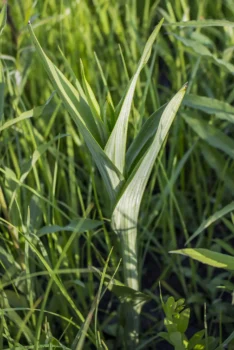
The prairie white fringed orchid is a true showstopper when it blooms in mid to late summer. Its distinctive white flowers feature delicately fringed petals that give the plant its common name, creating an almost lace-like appearance that’s absolutely mesmerizing. Each flower spike can reach 1-4 feet tall, rising from a rosette of lance-shaped leaves.
You might also see this plant listed under its former scientific names, including Blephariglotis leucophaea or Habenaria leucophaea, but Platanthera leucophaea is the current accepted name.
Where It Calls Home
This native North American orchid has a somewhat scattered range across the Great Lakes region and parts of the Northeast. You can find it naturally growing in Ontario, Illinois, Indiana, Iowa, Maine, Michigan, Missouri, New York, Ohio, Oklahoma, Pennsylvania, Virginia, and Wisconsin.
- Species observed
- No observations
The Reality Check: Why This Isn’t Your Average Garden Plant
Here’s where we need to have an honest conversation. The prairie white fringed orchid has a Threatened conservation status in the eastern United States, with a global conservation ranking that indicates it’s quite rare. This isn’t just another pretty flower—it’s a species that needs our protection.
But even if conservation wasn’t a concern, this orchid would still be incredibly difficult to grow in typical garden settings. Here’s why:
- It requires very specific wetland conditions that are hard to replicate
- It depends on complex relationships with soil fungi (mycorrhizae) that are difficult to establish
- It needs the precise soil chemistry found in calcareous wetlands
- Propagation is extremely challenging and rarely successful outside of specialized facilities
Its Natural Habitat
In the wild, prairie white fringed orchids thrive in wet prairies, sedge meadows, and calcareous wetlands. Depending on the region, they’re classified anywhere from Obligate Wetland plants (almost always in wetlands) to Facultative Wetland plants (usually in wetlands but occasionally elsewhere). They prefer full sun to partial shade and consistently moist to wet soils.
A Pollinator’s Dream
When these orchids do bloom, they’re magnets for specialized pollinators, particularly sphinx moths and certain butterflies. The long spurs of the flowers have co-evolved with these pollinators, creating intricate relationships that have developed over thousands of years.
What This Means for Your Garden
Given the rarity and extreme growing requirements of prairie white fringed orchids, they’re not suitable for typical home gardens. Even experienced native plant gardeners usually avoid attempting to grow them. If you’re absolutely determined to try, only work with plants from reputable native plant nurseries that can guarantee their stock is legally and ethically sourced—never collect from wild populations.
Instead, consider these alternatives that can give you some of the same aesthetic appeal:
- Wild bergamot (Monarda fistulosa) for tall, showy summer blooms
- White turtlehead (Chelone glabra) for wetland areas
- Swamp milkweed (Asclepias incarnata) for wet soils and pollinator appeal
How You Can Help
The best thing most gardeners can do for prairie white fringed orchids is to support their conservation. Consider donating to organizations that protect prairie wetlands, participate in habitat restoration projects, or simply spread awareness about the importance of preserving these rare ecosystems.
Sometimes the most beautiful things in nature are meant to be admired from a respectful distance. The prairie white fringed orchid is definitely one of those plants—a reminder that not every native species belongs in our gardens, but all deserve our protection in the wild.