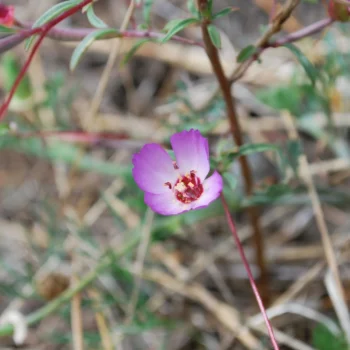
Presidio Clarkia: A Rare California Gem Worth Protecting
Meet the Presidio clarkia (Clarkia franciscana), a delicate annual wildflower that’s as exclusive as it gets in the California native plant world. This little beauty isn’t just rare—it’s critically endangered, making it one of the most precious wildflowers you could ever consider for your garden.
What Makes Presidio Clarkia Special?
The Presidio clarkia is a charming annual forb that produces lovely pink to purple four-petaled flowers from spring through early summer. As a member of the evening primrose family, it shares that family’s tendency toward simple, elegant blooms that seem to glow in the garden. Don’t expect a towering presence—this is a modest wildflower that reaches just 6-12 inches tall, perfect for intimate garden spaces or naturalistic meadow plantings.
Where Does It Come From?
This California endemic is about as local as it gets, naturally occurring only in the San Francisco Bay Area. Its native habitat consists of serpentine grasslands and clay soils—those challenging growing conditions that many plants can’t handle but some California natives absolutely thrive in.
- Species observed
- No observations
A Word of Caution: Rarity Matters
Here’s where things get serious. Presidio clarkia holds a Global Conservation Status of S1, meaning it’s critically imperiled with typically fewer than five occurrences or very few remaining individuals. In the United States, it’s officially listed as Endangered. This isn’t a plant to take lightly.
If you’re considering growing Presidio clarkia, you absolutely must source seeds or plants from reputable native plant nurseries that practice ethical collection methods. Never collect from wild populations—every individual plant in the wild is precious for the species’ survival.
Growing Conditions and Care
Surprisingly for such a rare plant, Presidio clarkia isn’t particularly fussy about care—it’s just very specific about location. Here’s what it needs:
- USDA Hardiness Zones 9-10 (Mediterranean climate)
- Well-draining serpentine or clay soils (it actually prefers poor soils!)
- Full sun to partial shade
- Minimal water after establishment—this is a drought-adapted beauty
- Direct seeding in fall for spring germination
Planting and Care Tips
As an annual, Presidio clarkia completes its entire life cycle in one growing season. Direct seed in fall, allowing winter rains to trigger germination. Once established, resist the urge to pamper it with rich soil or frequent watering—this tough little native evolved in challenging conditions and prefers them that way.
Wildlife and Pollinator Benefits
Like many California natives, Presidio clarkia supports local ecosystems by providing nectar and pollen for native bees and other small pollinators. Its seeds may also provide food for small birds and other wildlife.
Should You Grow Presidio Clarkia?
This is a plant for serious native plant enthusiasts and conservationists. If you have the right growing conditions (serpentine or clay soils in a Mediterranean climate) and can source ethically collected seeds, growing Presidio clarkia can be a meaningful contribution to conservation efforts. However, given its endangered status, consider it more of a conservation project than a typical garden addition.
For most California gardens, you might consider other Clarkia species that are less rare but equally beautiful, such as elegant clarkia (Clarkia unguiculata) or farewell-to-spring (Clarkia amoena). These relatives offer similar aesthetic appeal without the conservation concerns.
The Bottom Line
Presidio clarkia represents everything that’s both wonderful and fragile about California’s native flora. It’s a plant that connects us to the unique serpentine ecosystems of the San Francisco Bay Area while reminding us of our responsibility as gardeners to protect rare species. If you choose to grow it, do so with the respect and care that such a treasure deserves.