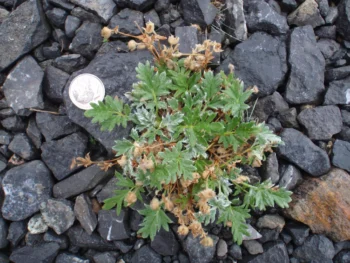
Pretty Cinquefoil: A Hardy Native Wildflower for Cold Climate Gardens
If you’re gardening in the far north and looking for a tough-as-nails native plant that can handle whatever winter throws at it, meet pretty cinquefoil (Potentilla pulchella var. pulchella). This unassuming little wildflower might not win any beauty contests, but what it lacks in showiness, it makes up for in pure determination and authentic northern charm.
What is Pretty Cinquefoil?
Pretty cinquefoil is a perennial forb—basically a non-woody flowering plant that comes back year after year. As part of the rose family, it produces small, cheerful yellow flowers that are characteristic of the cinquefoil group. Don’t let the word pretty fool you into expecting something flashy; this plant’s beauty lies in its subtle, naturalistic appeal and incredible hardiness.
This native wildflower is truly a child of the north, naturally occurring across Alaska, northern Canada (including Manitoba, Ontario, Quebec, Yukon, Northwest Territories, Nunavut, Labrador, and Newfoundland), and even Greenland. It’s perfectly adapted to some of the harshest growing conditions on the continent.
- Species observed
- No observations
Why Grow Pretty Cinquefoil?
Here’s where pretty cinquefoil really shines—if you’re gardening in USDA zones 1-4, this plant is practically bulletproof. While most gardeners struggle to find plants that can survive extreme cold, you’ve got a native option that actually thrives in conditions that would kill most other perennials.
The good news:
- Extremely cold hardy (survives in zones 1-4)
- Native to North America, supporting local ecosystems
- Low maintenance once established
- Drought tolerant in northern climates
- Provides nectar for small native pollinators
- Perfect for rock gardens and naturalized areas
The reality check:
- Not suitable for warm climates (zones 5 and higher)
- Small flowers aren’t particularly showy
- Can be difficult to source from nurseries
- Requires excellent drainage
Where Does Pretty Cinquefoil Fit in Your Garden?
Think of pretty cinquefoil as the ultimate supporting actor in your northern native plant garden. It’s perfect for:
- Rock gardens: Its low-growing habit and drainage needs make it ideal for tucking between stones
- Alpine gardens: Naturally adapted to harsh, high-elevation conditions
- Native plant gardens: An authentic choice for northern ecosystems
- Naturalized areas: Great for areas where you want a wild, untamed look
- Ground cover: Forms low mats that can help suppress weeds
Growing Pretty Cinquefoil Successfully
The secret to success with pretty cinquefoil is remembering where it comes from—harsh, cold environments with excellent drainage. Try to pamper it like a typical garden perennial, and you’ll likely kill it with kindness.
Light requirements: Full sun is best, though it can tolerate some light shade.
Soil needs: Well-drained soil is absolutely critical. This plant is adapted to rocky, gravelly soils and will not tolerate soggy conditions. Sandy or rocky soil amendments can help improve drainage in heavier soils.
Watering: Once established, pretty cinquefoil is quite drought tolerant in northern climates. Avoid overwatering, especially in winter.
Climate considerations: This plant is only suitable for USDA hardiness zones 1-4. If you’re gardening in zone 5 or warmer, look for other native Potentilla species better suited to your climate.
Caring for Your Pretty Cinquefoil
One of the best things about pretty cinquefoil is how little fussing it requires. In fact, the less you do, the better it tends to perform.
- Fertilizing: Skip it. This plant is adapted to nutrient-poor soils and excess fertility can actually harm it
- Pruning: Minimal pruning needed; just remove dead flower heads if you prefer
- Winter care: None needed—this plant laughs at winter
- Pests and diseases: Generally problem-free when grown in appropriate conditions
Supporting Northern Pollinators
While pretty cinquefoil might not attract the big, flashy butterflies, its small yellow flowers provide important nectar sources for native bees, flies, and other small pollinators adapted to northern climates. In the harsh environments where this plant thrives, every nectar source counts.
Is Pretty Cinquefoil Right for Your Garden?
Pretty cinquefoil is definitely a niche plant, but if you’re in its sweet spot—cold climate, well-drained soil, and a love for authentic native plants—it can be a wonderful addition to your garden. It’s particularly valuable for gardeners in Alaska and northern Canada who struggle to find truly cold-hardy perennials.
However, if you’re in a warmer climate or looking for a showstopper plant, you’ll want to look elsewhere. Consider other native Potentilla species like shrubby cinquefoil (Potentilla fruticosa) for zones 2-7, or explore other native wildflowers suited to your specific region.
Sometimes the most rewarding plants aren’t the flashiest ones—they’re the ones that connect us to the authentic character of our local landscape. Pretty cinquefoil does exactly that for northern gardeners, offering a genuine piece of the Arctic and subarctic right in your backyard.