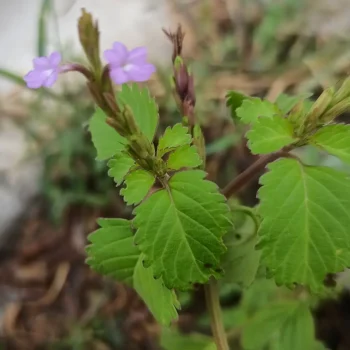
Prism Bouchea: A Tiny Native Wildflower with Big Potential
Meet Prism Bouchea (Bouchea prismatica), a delightful little native wildflower that might just be the low-maintenance addition your garden has been waiting for. While this petite annual may not win any awards for showiness, it brings something special to the table: authentic regional character and effortless charm.
What is Prism Bouchea?
Prism Bouchea is a native annual herb that belongs to the verbena family. True to its diminutive nature, this little plant produces small spikes of tiny white to pale purple flowers that may seem modest at first glance, but offer subtle beauty when viewed up close. As an annual, it completes its entire life cycle in one growing season, though it often self-seeds readily to return the following year.
Where Does Prism Bouchea Call Home?
This hardy little native has quite an impressive range across the warmer regions of North America. You’ll find Prism Bouchea naturally occurring in Alabama, Arizona, New Mexico, and Texas, as well as in Puerto Rico and the U.S. Virgin Islands. Its ability to thrive across such diverse landscapes speaks to its adaptability and resilience.
- Species observed
- No observations
Why Consider Prism Bouchea for Your Garden?
Here’s where this unassuming little plant really shines:
- Native credentials: Supporting local ecosystems by choosing native plants
- Low maintenance: Perfect for busy gardeners or those new to native gardening
- Drought tolerance: Thrives with minimal water once established
- Pollinator support: Small flowers provide nectar for native bees and other tiny pollinators
- Self-seeding habit: May return on its own each year without replanting
Perfect Garden Spots for Prism Bouchea
Prism Bouchea works wonderfully in several garden settings:
- Desert and xeriscape gardens
- Rock gardens where its small stature won’t get lost
- Native plant borders and wildflower meadows
- Ground cover in areas with poor or rocky soil
- Container gardens for a touch of native charm
Growing Conditions and Care
One of the best things about Prism Bouchea is how easy it is to please. This little survivor prefers:
- Sunlight: Full sun for best performance
- Soil: Well-draining soils, including poor or rocky conditions
- Water: Drought tolerant once established; avoid overwatering
- Climate: Thrives in USDA hardiness zones 8-11
Planting and Care Tips
Growing Prism Bouchea successfully is refreshingly straightforward:
- Sow seeds directly in the garden in spring after the last frost
- Scatter seeds lightly over prepared soil and barely cover
- Water gently until germination, then reduce watering frequency
- Once established, this drought-tolerant annual needs very little care
- Allow some plants to go to seed if you want them to return next year
- No fertilization needed – this plant actually prefers lean soils
Supporting Local Wildlife
While small, Prism Bouchea punches above its weight when it comes to supporting local ecosystems. Its tiny flowers provide nectar for small native pollinators, including specialized native bees that might otherwise struggle to find food sources. As a native plant, it also supports the complex web of local wildlife that has evolved alongside it.
Is Prism Bouchea Right for Your Garden?
Prism Bouchea is an excellent choice for gardeners who appreciate understated native beauty and want to support local ecosystems without a lot of fuss. It’s particularly perfect for those dealing with challenging growing conditions like poor soil or limited water availability. While it may not provide the dramatic impact of showier natives, it offers authentic regional character and reliable performance.
If you’re looking to create habitat for small pollinators or want to add native ground cover to challenging spots in your landscape, Prism Bouchea deserves serious consideration. Sometimes the most valuable garden additions are the quiet, dependable ones that just keep doing their job year after year.