Professor’s Fleabane: A Rare Utah Native Worth Protecting
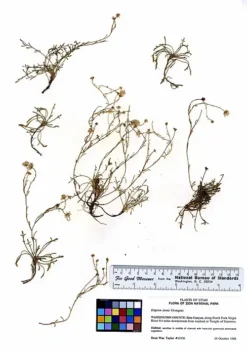
Meet professor’s fleabane (Erigeron proselyticus), a charming little wildflower that’s as unique as its scholarly common name suggests. This Utah endemic is a delightful addition to native plant gardens, but there’s an important conservation story that comes with it.
A Utah Original
Professor’s fleabane is a true Utah native, found exclusively in the Beehive State. This perennial forb calls central and southern Utah home, making it a special piece of the state’s natural heritage. As a member of the sunflower family (Asteraceae), it shares kinship with daisies and asters, sporting the classic daisy-like blooms that pollinators adore.
- Species observed
- No observations
What Makes It Special
This low-growing perennial produces clusters of small, white to pale pink flowers with sunny yellow centers—classic fleabane charm in a compact package. The narrow leaves and modest stature make it perfect for tucking into rock gardens or naturalizing in xeriscapes. Don’t expect towering drama; professor’s fleabane keeps things understated and elegant.
The Conservation Concern
Here’s where things get serious: professor’s fleabane has a Global Conservation Status of S3, meaning it’s considered vulnerable. With only 21 to 100 known occurrences and between 3,000 to 10,000 individuals total, this isn’t your run-of-the-mill garden plant. If you’re considering adding this beauty to your landscape, please ensure you’re sourcing it responsibly from reputable native plant nurseries that propagate rather than wild-collect.
Perfect Garden Scenarios
Professor’s fleabane shines in:
- Rock gardens and alpine-style plantings
- Xeriscape and drought-tolerant landscapes
- Native plant gardens focusing on Utah flora
- Naturalistic meadow plantings
- Educational or conservation gardens
Growing Conditions
Like many Utah natives, professor’s fleabane appreciates well-draining soils and plenty of sunshine. It’s adapted to the state’s challenging growing conditions, making it surprisingly low-maintenance once established. Sandy or rocky soils work beautifully—think of recreating those natural Utah habitats where this plant thrives.
This hardy perennial typically thrives in USDA zones 4-8, handling both cold winters and hot, dry summers with aplomb. The key is providing excellent drainage; soggy soils are the enemy of most desert-adapted plants.
Pollinator Magnet
Despite its small stature, professor’s fleabane punches above its weight in the pollinator department. Native bees, butterflies, and other beneficial insects are drawn to its abundant small flowers. By planting this species, you’re supporting Utah’s native pollinator networks—a win-win for your garden and local ecosystems.
Planting and Care Tips
Once you’ve secured responsibly sourced plants or seeds:
- Plant in spring or fall when temperatures are moderate
- Ensure excellent drainage—amend heavy soils with sand or gravel
- Water regularly the first season to establish roots
- Reduce watering once established; this plant prefers to stay on the dry side
- Minimal fertilization needed—these plants evolved in nutrient-poor soils
- Deadhead spent flowers to encourage continued blooming
The Bottom Line
Professor’s fleabane represents something special: a chance to grow a piece of Utah’s unique botanical heritage while supporting conservation efforts. Yes, its rarity means you’ll need to be thoughtful about sourcing, but that just makes this little wildflower all the more precious. For Utah gardeners looking to showcase their state’s native flora, or anyone interested in supporting plant conservation through responsible gardening, professor’s fleabane offers both beauty and purpose.
Just remember: with great native plants comes great responsibility. Source ethically, grow mindfully, and maybe even consider collecting and sharing seeds to help this vulnerable species thrive in cultivation.