Propeller Flower: A Charming Native Bulb for Southern Gardens
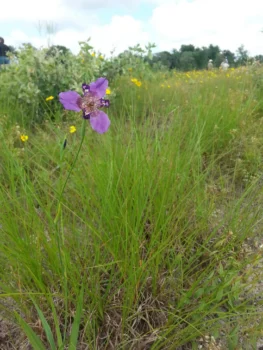
Meet the propeller flower (Alophia drummondii), a delightful native bulb that’s like nature’s version of a one-day art exhibition. This charming perennial puts on a brief but spectacular show each spring, producing gorgeous purple flowers that seem to spin like tiny propellers in the breeze – hence the whimsical common name.
A True Southern Native
The propeller flower is a proud native of the south-central United States, naturally occurring across Texas, Arkansas, Louisiana, Mississippi, and Oklahoma. As a member of the iris family, this herbaceous perennial (or forb, in botanical terms) has been gracing southern landscapes long before European settlement.
- Species observed
- No observations
What Makes Propeller Flower Special
Don’t let its modest size fool you – propeller flower packs a punch in the charm department. Each spring, this little bulb sends up slender stems topped with striking three-petaled purple flowers, typically measuring 1-2 inches across. While each individual bloom lasts just one day, the plant produces flowers successively over several weeks, creating an extended display that’s both elegant and ephemeral.
The plant itself stays relatively compact, making it perfect for tucking into smaller spaces or naturalizing in larger areas. During the growing season, you’ll see grass-like foliage that emerges from underground bulbs, followed by those eye-catching blooms.
Why Your Garden (and Local Wildlife) Will Love It
Beyond its obvious aesthetic appeal, propeller flower is a valuable addition to wildlife-friendly gardens. Research shows that terrestrial birds rely on this native plant for 5-10% of their diet, making it a small but important food source in the ecosystem. The spring flowers also attract native bees and other pollinators during their brief but beautiful blooming period.
From a garden design perspective, propeller flower excels in:
- Native plant gardens and prairie restorations
- Naturalized wildflower meadows
- Rock gardens and well-draining borders
- Areas where you want spring interest followed by summer dormancy
Growing Conditions and Care
One of the best things about propeller flower is its easy-going nature. This adaptable native thrives in USDA hardiness zones 7-9 and prefers:
- Full sun to partial shade (though full sun encourages better blooming)
- Well-draining soils – it’s quite tolerant of both sandy and clay conditions
- Moderate moisture during the growing season
- Good drainage to prevent bulb rot
The plant has a Facultative Upland wetland status, meaning it usually grows in non-wetland areas but can occasionally tolerate wetter conditions. However, consistently soggy soils are not its friend.
Planting and Maintenance Tips
Plant propeller flower bulbs in fall, just like you would tulips or daffodils. Choose a spot with good drainage and dig holes about 2-3 inches deep. Space bulbs 4-6 inches apart if you’re creating a naturalized drift.
Once established, this native is refreshingly low-maintenance:
- Water regularly during spring growth and flowering
- Allow foliage to die back naturally to feed the bulb
- Expect summer dormancy – this is normal!
- Mulch lightly to suppress weeds and retain moisture
- Deer typically leave it alone (bonus!)
Important Conservation Note
Here’s something every responsible gardener should know: propeller flower has a rarity status of S2 (imperiled) in Arkansas, meaning its populations are vulnerable. If you’re planning to add this beauty to your garden, please source your bulbs from reputable native plant nurseries that propagate their stock rather than wild-collect it. Never dig plants from the wild – this practice threatens already vulnerable populations.
Is Propeller Flower Right for Your Garden?
If you’re looking for a low-maintenance native that supports local wildlife, adds spring charm, and doesn’t mind going dormant during the heat of summer, propeller flower could be perfect for your garden. It’s especially valuable for gardeners wanting to support native plant conservation while creating habitat for birds and pollinators.
Just remember: this isn’t a plant for impatient gardeners or those wanting constant color. Its beauty lies in its ephemeral nature and its role in the larger ecosystem. Think of it as nature’s reminder that some of the best things in life are worth waiting for – and worth protecting.