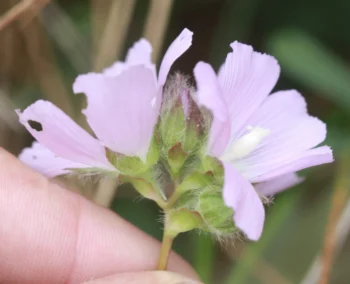
Pt. Reyes Checkerbloom: A Rare California Native Worth Protecting
If you’re passionate about California native plants and conservation gardening, you’ve probably heard of checkerblooms. But have you met the rare and special Pt. Reyes checkerbloom? This delicate perennial deserves a closer look from gardeners who want to make a real difference in preserving our native plant heritage.
Meet the Pt. Reyes Checkerbloom
Scientifically known as Sidalcea calycosa rhizomata, the Pt. Reyes checkerbloom is a California native that belongs to the mallow family. You might also see it referred to by its synonym, Sidalcea rhizomata. This charming plant is what botanists call a forb – basically a non-woody perennial that dies back to ground level each year, then emerges fresh each growing season from buds at or below the soil surface.
Where Does It Call Home?
This special checkerbloom is exclusively Californian, making it a true Golden State endemic. Its native range is quite limited, which contributes to its conservation status that gardeners should be aware of.
- Species observed
- No observations
A Plant That Needs Our Help
Here’s something important every gardener should know: Pt. Reyes checkerbloom has a conservation status that suggests it’s quite rare in the wild. If you’re considering adding this beauty to your garden, that’s wonderful – but please make sure you source it responsibly. This means:
- Purchase from reputable native plant nurseries
- Never collect from wild populations
- Ask about the source of your plants
- Consider participating in seed collection programs through botanical gardens or conservation organizations
Why Grow Pt. Reyes Checkerbloom?
Beyond its conservation value, this native brings several benefits to your garden:
- True California character: You’re growing a plant that evolved specifically in your region
- Low maintenance: As a native, it’s adapted to local conditions
- Wildlife support: Native plants support local ecosystems better than non-natives
- Water-wise: Once established, California natives typically need less water than exotic plants
Garden Design Ideas
Pt. Reyes checkerbloom works beautifully in:
- Native plant gardens focused on California species
- Conservation gardens dedicated to rare plants
- Naturalistic landscapes that mimic local ecosystems
- Mixed perennial borders with other California natives
Growing Your Pt. Reyes Checkerbloom
While specific growing information for this particular subspecies can be limited, checkerblooms generally appreciate:
- Well-draining soil
- A location with morning sun and some afternoon protection in hot climates
- Moderate water during the growing season
- Dry conditions during summer dormancy (typical for California natives)
Planting and Care Tips
Since this is a rare plant, treat it with extra care:
- Plant in fall or early spring when weather is mild
- Improve drainage if your soil is heavy clay
- Mulch around the plant to retain moisture and suppress weeds
- Water regularly the first year, then reduce as the plant establishes
- Allow the plant to go dormant naturally in summer
The Bottom Line
Pt. Reyes checkerbloom represents something special in the gardening world – a chance to grow a truly rare California native while contributing to conservation efforts. Yes, it requires responsible sourcing and thoughtful care, but that’s exactly what makes it meaningful. When you grow rare natives like this, you’re not just creating a beautiful garden; you’re becoming a steward of California’s unique natural heritage.
If you can’t find Pt. Reyes checkerbloom or want something easier to source, consider other California native checkerblooms like checker mallow (Sidalcea malviflora) or white-stem checkerbloom (Sidalcea candida). They offer similar benefits and are more readily available, making them great choices for beginning native plant gardeners.