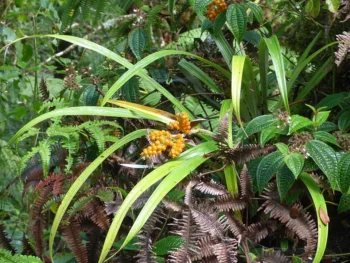
Pua’akuhinia: Hawaii’s Striking Native Bog Plant Worth Growing
If you’re looking to add some authentic Hawaiian flair to your garden while supporting native plant conservation, meet pua’akuhinia (Astelia menziesiana). This perennial beauty, also known as kaluaha, is one of Hawaii’s most distinctive native plants – and it’s definitely not your typical garden variety.
What Makes Pua’akuhinia Special?
Pua’akuhinia is a true Hawaiian endemic, meaning it exists naturally nowhere else on Earth. This striking plant belongs to a small family of plants that have been quietly thriving in Hawaii’s unique ecosystems for thousands of years. With its sword-like leaves arranged in elegant rosettes and silvery-green coloration, it brings an architectural quality that’s hard to match.
Where Does It Come From?
This remarkable plant calls the Hawaiian Islands home, where it can be found across multiple islands in its native habitat. It’s perfectly adapted to Hawaii’s unique climate and growing conditions, making it an authentic choice for anyone wanting to grow truly local plants.
- Species observed
- No observations
A Plant That Needs Our Help
Here’s something important to know: pua’akuhinia has a Global Conservation Status of S3, which means it’s considered vulnerable. With typically only 21 to 100 occurrences or between 3,000 and 10,000 individuals in the wild, this plant is facing challenges in its natural habitat. This makes growing it in gardens even more meaningful – you’re essentially becoming a conservation partner!
Important note: If you decide to grow pua’akuhinia, please only purchase from reputable native plant nurseries that use responsibly sourced, nursery-propagated material. Never collect plants from the wild.
What’s It Like in the Garden?
Pua’akuhinia brings a unique architectural presence to any landscape. Its rosette of sword-like leaves creates dramatic focal points and adds texture that’s distinctly tropical yet sophisticated. The silvery-green foliage catches light beautifully and provides year-round interest as a perennial.
This plant works wonderfully in:
- Native Hawaiian plant gardens
- Bog or moisture-loving plant collections
- Areas where you want a striking architectural accent
- Conservation-focused landscapes
Growing Conditions
Pua’akuhinia has some specific preferences that reflect its natural habitat. It’s classified as a facultative wetland plant, which means it usually occurs in wetlands but can adapt to non-wetland conditions too. This gives you some flexibility in placement, but it generally prefers:
- Consistently moist to wet soils
- Well-draining but moisture-retentive growing medium
- Partial shade to full sun exposure
- Cool temperatures when possible
- USDA hardiness zones 10-11
Planting and Care Tips
Success with pua’akuhinia comes down to understanding its moisture-loving nature:
- Soil: Use a well-draining potting mix that retains moisture well
- Watering: Keep soil consistently moist but not waterlogged
- Location: Choose a spot with morning sun and afternoon shade if possible
- Mulching: Apply organic mulch to help retain moisture
- Fertilizing: Use a balanced, slow-release fertilizer sparingly
Is Pua’akuhinia Right for Your Garden?
This plant is perfect for gardeners who:
- Want to grow authentic Hawaiian native plants
- Enjoy unique, architectural plant forms
- Have adequate moisture or irrigation available
- Live in tropical or subtropical climates (zones 10-11)
- Want to participate in native plant conservation
However, it might not be the best choice if you’re looking for a low-water plant or live in areas with harsh winters.
The Bottom Line
Pua’akuhinia offers something special – the chance to grow a truly unique native Hawaiian plant while contributing to conservation efforts. Its striking appearance and cultural significance make it a rewarding addition to the right garden. Just remember to source it responsibly and give it the moist conditions it craves. Your garden (and Hawaii’s native plant populations) will thank you for it!