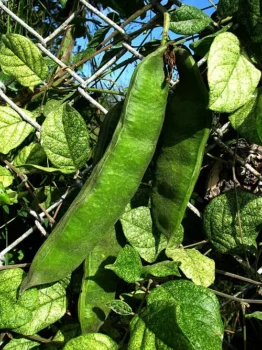
Puakauhi: Hawaii’s Rare Native Bean That Needs Our Help
Meet puakauhi (Canavalia hawaiiensis), one of Hawaii’s most precious and vulnerable native plants. Also known as `awikiwiki, this rare perennial herb represents the incredible biodiversity that makes Hawaiian flora so special – and so fragile. If you’re passionate about native Hawaiian gardening and conservation, this remarkable plant deserves a spot on your radar.
A Plant That Calls Hawaii Home
Puakauhi is what botanists call an endemic species, meaning it exists nowhere else on Earth except the Hawaiian Islands. This perennial forb belongs to the legume family, and like many of its relatives, it likely produces bean-like flowers and pods. As a native Hawaiian plant, it has evolved over thousands of years to thrive in the islands’ unique climate and ecosystems.
You’ll find puakauhi growing exclusively in Hawaii, where it has adapted to local conditions that don’t exist anywhere else in the world.
- Species observed
- No observations
Why This Plant Matters (And Why You Should Care)
Important Conservation Alert: Puakauhi carries a Global Conservation Status of S3, which means it’s considered vulnerable to extinction. With typically only 21 to 100 occurrences or between 3,000 and 10,000 individuals remaining, this plant is walking a tightrope toward disappearing forever.
What makes this especially heartbreaking is that puakauhi represents millions of years of evolution perfectly adapted to Hawaiian conditions. Once it’s gone, we can never get it back.
What Puakauhi Looks Like
As a forb herb, puakauhi doesn’t develop significant woody tissue above ground. Instead, it maintains its perennating buds at or below the soil surface, allowing it to persist year after year in Hawaii’s tropical climate. While specific details about its appearance are limited due to its rarity, as a member of the bean family, it likely produces characteristic legume flowers and seed pods.
Growing Puakauhi: A Conservation Responsibility
Here’s where things get serious: if you’re interested in growing puakauhi, you absolutely must source it responsibly. This means:
- Only obtaining plants or seeds from legitimate conservation organizations
- Never collecting from wild populations
- Working with native plant societies or botanical gardens
- Ensuring any cultivation efforts support conservation goals
Ideal Growing Conditions
While specific growing requirements for puakauhi aren’t well-documented (a common challenge with rare plants), we can make educated guesses based on its Hawaiian heritage:
- Tropical climate conditions (likely USDA zones 10-11)
- Well-draining soil, as most Hawaiian natives prefer
- Protection from strong winds
- Moderate to bright light conditions
The Role of Puakauhi in Hawaiian Gardens
In a native Hawaiian garden, puakauhi would serve as both a living piece of natural history and a conservation statement. While we don’t have specific information about its wildlife benefits, most native Hawaiian legumes support local pollinators and contribute to the complex web of island ecology.
This plant belongs in:
- Conservation gardens
- Native Hawaiian plant collections
- Educational landscapes
- Restoration projects (with proper permits and guidance)
A Plant That Needs Champions
Puakauhi isn’t just another pretty plant for your garden – it’s a survivor that needs our help. By learning about and potentially growing this rare native (responsibly, of course), you become part of a conservation story that’s much bigger than gardening.
If puakauhi captures your interest, consider connecting with Hawaiian native plant societies, botanical gardens, or conservation organizations. They can provide guidance on legitimate ways to support this vulnerable species while respecting its conservation needs.
Sometimes the most meaningful plants in our gardens aren’t the showiest ones – they’re the ones that connect us to place, to conservation, and to the responsibility we all share in protecting Earth’s incredible biodiversity.