Puaokama: A Rare Hawaiian Native Vine Worth Preserving in Your Garden
If you’re passionate about native Hawaiian plants and conservation gardening, puaokama (Sicyos maximowiczii) might just be the hidden gem you’ve been searching for. This charming climbing vine belongs to the cucumber family and represents one of Hawaii’s unique endemic treasures – though you’ll need to approach growing it with some special considerations.
What Makes Puaokama Special?
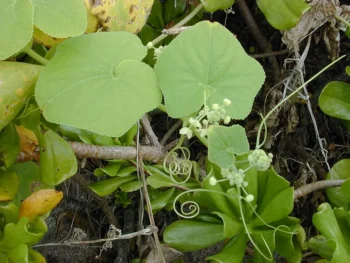
Puaokama is an annual climbing vine that’s found only in Hawaii, making it a true island endemic. As a member of the Cucurbitaceae family, it shares relatives with cucumbers, melons, and gourds, but this little climber has evolved its own distinct Hawaiian personality. The plant produces delicate, heart-shaped leaves and uses curling tendrils to gracefully wind its way up supporting structures.
What really sets puaokama apart is its rarity. With a conservation status of S1S2, this species is considered critically imperiled to imperiled, meaning it faces real threats in the wild. This makes every garden specimen potentially valuable for conservation efforts.
Where Does Puaokama Grow Naturally?
You’ll find puaokama exclusively in Hawaii, where it naturally occurs in coastal areas and lowland dry to mesic (moderately moist) forests and shrublands. The plant has adapted to the unique island conditions and plays a role in Hawaii’s native ecosystem.
- Species observed
- No observations
Should You Grow Puaokama in Your Garden?
The short answer: Yes, but with important caveats.
Given its rare status, puaokama is an excellent choice for conservation-minded gardeners who want to support native Hawaiian biodiversity. However, this comes with a significant responsibility – you must source your plants or seeds from reputable native plant nurseries or conservation programs. Never collect from wild populations, as this could further threaten the species.
Garden Design and Landscape Role
Puaokama works beautifully in several garden settings:
- Native Hawaiian gardens: Perfect for authentic island landscaping
- Conservation gardens: Ideal for rare plant preservation efforts
- Vertical gardens: Excellent for adding height and texture to small spaces
- Educational gardens: Great for teaching about endemic species
As a climbing vine, puaokama needs support structures like trellises, fences, or other plants to climb. Its delicate appearance makes it perfect for softer, more naturalistic garden designs rather than formal landscapes.
Growing Conditions and Care
Puaokama thrives in USDA hardiness zones 10-12, making it suitable for tropical and subtropical climates similar to its native Hawaiian environment.
Preferred growing conditions:
- Well-draining soil (it doesn’t like wet feet)
- Partial sun to light shade
- Some humidity, but good air circulation
- Support structure for climbing
- Protection from strong winds
Planting and Care Tips
Since puaokama is an annual, you’ll need to replant each year or allow it to self-seed:
- Planting: Start from seed in spring after any danger of frost has passed
- Spacing: Give plants room to climb and spread
- Watering: Water regularly but ensure good drainage
- Support: Install trellises or other climbing structures early
- Maintenance: Generally low-maintenance once established
Benefits for Wildlife and Pollinators
While specific pollinator information for puaokama is limited, as a native Hawaiian plant, it likely provides resources for native insects and other small wildlife. Growing native plants like puaokama helps support the intricate web of relationships that make up Hawaii’s unique ecosystems.
A Word About Conservation
Growing puaokama isn’t just about adding an interesting plant to your garden – it’s about participating in conservation. By cultivating this rare species responsibly, you’re helping ensure its survival for future generations. Always purchase from reputable sources, never collect from the wild, and consider sharing seeds with other conservation-minded gardeners.
If you can’t find puaokama through legitimate sources, consider other native Hawaiian vines that might be more readily available while you wait for conservation programs to make this special plant more accessible to gardeners.
The Bottom Line
Puaokama is a wonderful choice for gardeners who want to make a real difference in plant conservation while growing something truly unique. Just remember that with great rarity comes great responsibility – source ethically, grow thoughtfully, and enjoy being part of this special plant’s conservation story.