Pubescent Mirrorplant: A Rare Hawaiian Native Worth Protecting
Meet the pubescent mirrorplant (Coprosma pubens), a charming Hawaiian endemic that’s quietly making its mark in native plant circles. This unassuming shrub might not win any flashy flower contests, but it’s got character, conservation value, and a story worth telling. If you’re lucky enough to garden in Hawaii’s tropical climate, this little gem deserves a spot on your radar – though with some important caveats we’ll discuss.
What Makes Pubescent Mirrorplant Special?
Don’t let the name fool you – this isn’t your typical mirror-bright ornamental. The pubescent mirrorplant is a perennial shrub that typically stays under 13-16 feet tall, making it perfect for smaller spaces or as an understory plant. What sets it apart is its status as a true Hawaiian original, found nowhere else on Earth.
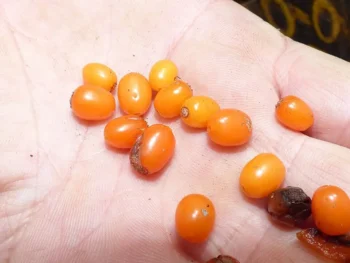
The plant belongs to the coffee family (Rubiaceae) and produces small, inconspicuous flowers that give way to colorful berries on female plants. Its leaves are the real showstoppers – glossy, oval-shaped, and arranged in an attractive pattern that catches the eye without being overly showy.
Where Does It Call Home?
Coprosma pubens is exclusively Hawaiian, making it a true island endemic. You’ll find it naturally occurring only in Hawaii, where it has adapted to the unique conditions of the islands over thousands of years.
- Species observed
- No observations
A Plant That Needs Our Help
Here’s where things get serious: pubescent mirrorplant has a Global Conservation Status of S3, meaning it’s considered vulnerable. With only 21 to 100 known occurrences and between 3,000 to 10,000 individuals estimated in the wild, this isn’t a plant to take lightly. If you’re considering adding it to your garden, responsible sourcing is absolutely critical – never collect from wild populations, and only purchase from reputable native plant nurseries that propagate their own stock.
Garden Role and Landscape Uses
In the right setting, pubescent mirrorplant shines as:
- An understory shrub in native Hawaiian gardens
- Part of habitat restoration projects
- A naturalistic landscape element
- Erosion control on slopes
- A conservation-minded garden statement
Its multi-stemmed growth habit and moderate size make it versatile for various garden roles, from specimen planting to mass groupings in larger landscapes.
Growing Conditions and Care
Pubescent mirrorplant is surprisingly adaptable when it comes to moisture – it’s classified as facultative, meaning it can handle both wetland and non-wetland conditions. However, it does best with:
- Partial to full shade (protecting it from Hawaii’s intense sun)
- Consistent moisture without waterlogged conditions
- Well-draining, organic-rich soil
- High humidity (naturally provided in most Hawaiian locations)
- Protection from strong winds
This is strictly a tropical plant, suitable only for USDA hardiness zones 10-11. If you’re not gardening in Hawaii or similar tropical climates, this one isn’t for you.
Planting and Care Tips
When planting pubescent mirrorplant:
- Choose a location with morning sun and afternoon shade
- Amend soil with plenty of organic matter
- Mulch around the base to retain moisture and suppress weeds
- Water regularly during establishment, then as needed
- Avoid fertilizers – native plants typically don’t need them and may actually be harmed by excess nutrients
Wildlife and Pollinator Benefits
While the flowers of pubescent mirrorplant are small and not particularly showy, they do provide nectar for native Hawaiian insects. The berries, when produced, offer food for native birds. By choosing this plant, you’re supporting the entire ecosystem of native Hawaiian species that have co-evolved together over millennia.
Should You Plant Pubescent Mirrorplant?
The answer is a cautious yes – if you can do it responsibly. This rare native deserves our support, but only through ethical cultivation practices. Here’s the bottom line:
Plant it if: You garden in Hawaii, can source it responsibly from a reputable native plant nursery, and want to support conservation efforts for rare Hawaiian endemics.
Don’t plant it if: You can’t verify responsible sourcing, garden outside of tropical zones, or are looking for a low-maintenance, fast-growing ornamental.
Remember, when we choose rare native plants like pubescent mirrorplant, we’re not just gardening – we’re participating in conservation. Every responsibly grown specimen in cultivation is a small insurance policy for the species’ future. Just make sure you’re part of the solution, not the problem, by never collecting from wild populations and always supporting ethical native plant propagation.