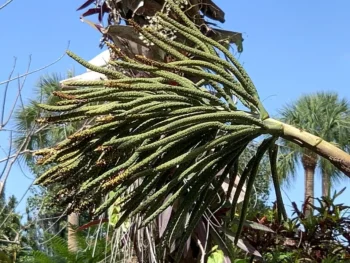
Puerto Rico Manac: A Rare Tropical Palm Worth Protecting
Meet the Puerto Rico manac (Calyptronoma rivalis), one of the Caribbean’s most endangered palm treasures. This elegant native palm might not be a household name, but for those passionate about conservation gardening and rare tropical plants, it represents both a challenge and an opportunity to make a real difference.
What Makes This Palm Special?
The Puerto Rico manac is a stunning perennial tree that can grow over 13 feet tall under ideal conditions. With its graceful, feathery fronds and slender trunk, this palm brings an unmistakable tropical elegance wherever it grows. But here’s what makes it truly remarkable – it’s critically endangered, with only five or fewer known populations remaining in the wild.
Also known by its scientific name Calyptronoma rivalis (and sometimes listed under the synonym Calyptrogyne rivalis), this palm is found exclusively in Puerto Rico’s wet montane forests and stream valleys. It’s what botanists call an obligate wetland species, meaning it almost always occurs in wetland environments.
- Species observed
- No observations
A Conservation Priority
Important Conservation Note: This palm has a Global Conservation Status of S1 (Critically Imperiled) and is listed as Threatened in the United States. With fewer than 1,000 individuals likely remaining in the wild, every plant matters for the species’ survival.
If you’re considering adding this palm to your garden, please ensure you source it only from reputable nurseries that propagate plants responsibly rather than collecting from wild populations. Better yet, consider supporting conservation efforts for this species in its native habitat.
Growing Conditions and Care
The Puerto Rico manac is definitely not a beginner’s palm, but experienced tropical gardeners in USDA hardiness zones 10-11 might find success with proper care. Here’s what this finicky beauty needs:
- Moisture: Consistent water – remember, it’s a wetland species
- Light: Partial to full shade (direct sun can be harmful)
- Humidity: High humidity levels are essential
- Soil: Rich, organic, well-draining but moisture-retentive soil
- Protection: Shelter from strong winds
- Climate: Tropical to subtropical only
Garden Design Ideas
When grown successfully, the Puerto Rico manac makes an exceptional specimen plant for:
- Tropical and subtropical shade gardens
- Rain gardens and water feature areas
- Conservation-focused landscapes
- Understory plantings beneath larger trees
Its elegant form and rarity make it a true conversation starter for serious plant collectors and conservation enthusiasts.
Wildlife and Pollinator Benefits
Like most palms, the Puerto Rico manac produces flowers that attract small insects and bees when it blooms. In its native habitat, it likely supports specialized wildlife relationships that we’re still learning about – another reason why protecting this species matters.
The Bottom Line
Should you grow Puerto Rico manac? Only if you’re an experienced tropical gardener in the right climate zone, and only with responsibly sourced plants. This isn’t a palm for casual collectors – it’s a conservation opportunity for dedicated gardeners who understand the responsibility that comes with growing critically endangered species.
For most gardeners interested in supporting native plant conservation, consider focusing on other native Puerto Rican plants that are less endangered but equally beautiful. Every garden can be part of the conservation solution, whether through growing rare species responsibly or simply choosing natives over non-natives.
Remember: when we garden with rare plants, we’re not just growing something beautiful – we’re becoming part of a conservation story that future generations will either thank us for or regret we missed.