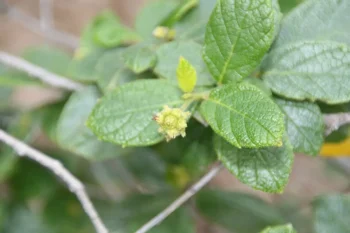
Puerto Rico Manjack: A Rare Caribbean Treasure Worth Protecting
If you’re passionate about native plants and conservation gardening, Puerto Rico manjack (Cordia rupicola) might just capture your heart—and your sense of environmental responsibility. This remarkable shrub is one of Puerto Rico’s most endangered native plants, making it both a gardening challenge and a conservation opportunity.
What Makes Puerto Rico Manjack Special?
Puerto Rico manjack is a perennial shrub that typically grows as a multi-stemmed woody plant, usually reaching heights of 13 to 16 feet, though it can sometimes grow taller or develop a single stem depending on environmental conditions. You might also see it listed under its botanical synonym, Varronia rupicola, in older references.
What sets this plant apart isn’t just its rarity—it’s also a true Puerto Rican endemic, meaning it naturally occurs nowhere else on Earth. This shrub has adapted specifically to Puerto Rico’s unique rocky coastal environments, making it a living piece of the island’s natural heritage.
Where Does It Come From?
Puerto Rico manjack is native exclusively to Puerto Rico, where it grows in specialized rocky coastal habitats. This limited geographic distribution contributes significantly to its conservation concerns.
- Species observed
- No observations
A Plant in Peril: Understanding Its Conservation Status
Important Conservation Alert: Puerto Rico manjack has a Global Conservation Status of S1, meaning it’s critically imperiled with typically 5 or fewer occurrences and very few remaining individuals (fewer than 1,000). It’s also classified as Threatened, making it one of Puerto Rico’s most endangered native plants.
If you’re considering adding this plant to your garden, please ensure you source it only from reputable native plant nurseries that use responsibly propagated material—never collect from wild populations.
Garden Appeal and Landscape Role
Despite its rarity, Puerto Rico manjack offers unique aesthetic appeal with its attractive foliage and small, delicate white to cream-colored flowers. In a garden setting, this shrub works beautifully in:
- Native plant gardens focused on Caribbean flora
- Rock gardens that mimic its natural coastal habitat
- Coastal landscape designs
- Conservation-focused botanical collections
Its naturally compact growth habit makes it suitable for smaller spaces, while its unique status adds educational value to any landscape.
Growing Conditions and Care
Puerto Rico manjack thrives in USDA hardiness zones 10-11, making it suitable for tropical and subtropical climates. To successfully grow this rare beauty:
- Soil: Provide excellent drainage with rocky, well-draining soil that mimics its natural habitat
- Light: Full sun to partial shade
- Water: Drought tolerant once established, but appreciates occasional watering during dry periods
- Location: Protect from strong winds while ensuring good air circulation
Benefits to Pollinators and Wildlife
The flowers of Puerto Rico manjack provide nectar for native bees and butterflies, making it a valuable addition to pollinator gardens. As a native plant, it supports the local ecosystem in ways that non-native alternatives simply cannot match.
Should You Plant Puerto Rico Manjack?
The answer is a cautious yes—but only if you can source it responsibly. Growing this critically endangered plant in cultivation serves an important conservation purpose by:
- Maintaining genetic diversity outside of wild populations
- Raising awareness about Puerto Rico’s endangered flora
- Supporting conservation-minded nurseries
- Creating seed sources for future restoration projects
However, this isn’t a plant for casual gardening. It requires specific growing conditions and a commitment to conservation principles. If you can’t provide the right conditions or source responsibly, consider supporting conservation organizations working to protect this species instead.
The Bottom Line
Puerto Rico manjack represents both an opportunity and a responsibility. For dedicated native plant enthusiasts with the right growing conditions, it offers a chance to participate in conservation while enjoying a truly unique Caribbean native. Just remember—with great rarity comes great responsibility. Every plant grown in cultivation is a small victory for conservation, but only when done ethically and sustainably.
Before planting, connect with local conservation groups or botanical gardens to learn more about ongoing conservation efforts for this remarkable species. Your garden could become part of the solution for preserving Puerto Rico’s irreplaceable natural heritage.