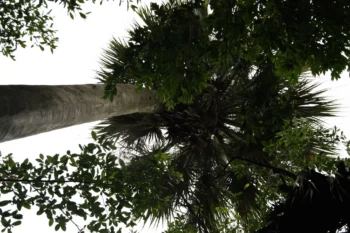
Puerto Rico Palmetto: A Majestic Native Palm for Tropical Gardens
If you’re dreaming of adding some serious tropical flair to your landscape, the Puerto Rico palmetto (Sabal causiarum) might just be the showstopper you’ve been looking for. This stunning native palm brings both beauty and ecological value to gardens in the warmest parts of the United States.
Meet the Puerto Rico Palmetto
The Puerto Rico palmetto is a perennial tree that’s native to Puerto Rico and the U.S. Virgin Islands. This single-stemmed beauty can reach impressive heights of up to 50 feet at maturity, though it may grow even taller under ideal conditions—potentially reaching 75 feet after 20 years of growth. Don’t worry about it taking over your garden quickly though; this palm has a slow growth rate, giving you plenty of time to enjoy each stage of its development.
Where Does It Grow?
You’ll find this magnificent palm naturally growing in Puerto Rico and the Virgin Islands, where it has adapted beautifully to the warm, tropical climate. Unfortunately, this also means it has very specific growing requirements that limit where it can thrive on the mainland United States.
- Species observed
- No observations
Why Plant a Puerto Rico Palmetto?
This palm offers several compelling reasons to consider it for your landscape:
- Stunning visual impact: With its large, fan-shaped green leaves and distinctive single trunk, it creates an instant tropical paradise vibe
- Architectural presence: Its erect, single-stem growth form makes it perfect as a specimen tree or focal point
- Native plant benefits: Supporting local ecosystems while reducing maintenance needs
- Pollinator friendly: The white, conspicuous flowers that bloom in summer attract various beneficial insects
- Low maintenance: Once established, it’s relatively drought tolerant with medium water needs
Important Conservation Note
Before you rush out to buy one, there’s something important to know: the Puerto Rico palmetto has an uncertain conservation status. If you decide to plant one, make absolutely sure you’re purchasing from a reputable nursery that sources their plants responsibly. Never collect plants from the wild, and always choose nursery-grown specimens to help protect wild populations.
Growing Conditions
This palm is quite particular about its growing conditions, which makes sense given its limited native range:
- Climate: USDA hardiness zones 10-11 only (minimum temperature of 28°F)
- Sunlight: Full sun—this palm is shade intolerant
- Soil: Prefers coarse to medium-textured, well-draining soils
- pH: Tolerates a range from 6.0 to 8.0
- Water: Medium drought tolerance once established
- Salt tolerance: Medium—perfect for coastal gardens
Perfect Garden Settings
The Puerto Rico palmetto shines in:
- Tropical and subtropical landscape designs
- Coastal gardens where its salt tolerance is appreciated
- Large residential landscapes as a specimen tree
- Commercial tropical landscaping projects
- Xerophytic gardens paired with other drought-tolerant plants
Planting and Care Tips
Successfully growing a Puerto Rico palmetto requires attention to detail:
- Timing: Plant during the active growing season (fall, winter, and spring in tropical climates)
- Spacing: Allow plenty of room—plant 320-640 per acre or about 20-30 feet apart in residential settings
- Propagation: Grow from seed (about 6,400 seeds per pound) or purchase bare root specimens
- Establishment: Provide consistent moisture during the first few years
- Maintenance: Remove dead fronds but avoid over-pruning
- Fertilization: Medium fertility requirements—a balanced palm fertilizer works well
Seasonal Interest
While this palm doesn’t offer dramatic seasonal changes like deciduous trees, it provides year-round interest with its evergreen foliage. The coarse-textured leaves maintain their green color throughout the year, and the summer blooms add a subtle but beautiful touch with their white flowers. The black seeds that follow aren’t particularly showy but add to the plant’s natural appeal.
Is This Palm Right for You?
The Puerto Rico palmetto is an excellent choice if you live in zones 10-11, have space for a large tree, and want to support native plant conservation. However, it’s definitely not suitable for cooler climates, small spaces, or shady locations. If you’re outside its hardiness range, consider looking for native palms in your area—many regions have their own spectacular native species that would be better adapted to local conditions.
With its majestic presence and ecological benefits, the Puerto Rico palmetto can be a wonderful addition to the right garden. Just remember to source it responsibly and give it the warm, sunny conditions it craves.