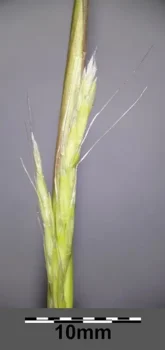
Puffsheath Dropseed: A Delicate Native Grass Worth Knowing
Meet puffsheath dropseed (Sporobolus neglectus), a charming little native grass that might just surprise you with its quiet beauty and ecological value. Don’t let the name fool you – there’s nothing neglectful about this adaptable annual that’s been quietly thriving across North America for centuries.
What Makes Puffsheath Dropseed Special?
This native annual grass brings a delicate, fine-textured presence to gardens and natural areas. While it may not be the showiest plant in your landscape, puffsheath dropseed offers that subtle charm that makes naturalized spaces feel authentically wild. Its narrow leaves and airy seed heads create beautiful textural contrast against broader-leaved plants.
As a true North American native, puffsheath dropseed has earned its place in the ecosystem. It’s indigenous to both Canada and the lower 48 states, making it one of our more widely distributed native grasses.
Where Does It Grow?
Puffsheath dropseed has an impressively wide range, thriving across most of North America. You’ll find it naturally occurring from the Canadian provinces of Alberta, Manitoba, New Brunswick, Ontario, Quebec, and Saskatchewan, all the way down through the United States in states including Alabama, Arizona, Arkansas, California, Colorado, Connecticut, and many others from coast to coast.
- Species observed
- No observations
A Word About Rarity
Here’s something important to know: while puffsheath dropseed is widespread across North America, it’s actually quite rare in some areas. In New Jersey, it’s listed as endangered with a status of S1, meaning it’s critically imperiled in that state. If you’re interested in growing this grass, especially in areas where it’s uncommon, make sure to source your seeds or plants responsibly from reputable native plant suppliers.
Growing Conditions and Care
One of the best things about puffsheath dropseed is its adaptability. This hardy little grass is classified as obligate upland in most regions, meaning it almost never occurs in wetlands and prefers well-drained soils. In some eastern regions, it’s more flexible and can occasionally tolerate slightly moister conditions.
Here’s what puffsheath dropseed loves:
- Full sun exposure
- Well-drained soils
- Various soil types, from sandy to clay
- Drought conditions once established
- USDA hardiness zones 3-9
Perfect for These Garden Styles
Puffsheath dropseed shines in:
- Prairie restorations and native plant gardens
- Xeriscapes and drought-tolerant landscapes
- Naturalized areas where you want authentic native character
- Low-maintenance groundcover situations
- Mixed grass plantings where fine texture is desired
Planting and Care Tips
As an annual grass, puffsheath dropseed completes its entire life cycle in one growing season, but don’t worry – it’s quite good at reseeding itself when conditions are right.
For best results:
- Direct seed in fall or early spring when soil temperatures are cool
- Scatter seeds on prepared soil surface – they need light to germinate
- Keep soil lightly moist until germination occurs
- Once established, it requires minimal care and water
- Allow plants to go to seed if you want natural reseeding
Wildlife and Ecological Benefits
While puffsheath dropseed might seem modest, it plays its part in supporting local ecosystems. As a native grass, it provides habitat structure for small wildlife and its seeds can feed various bird species. The fine texture also creates excellent cover for beneficial insects.
Should You Grow It?
If you’re creating a native plant garden, prairie restoration, or simply want to add authentic local character to your landscape, puffsheath dropseed is worth considering. It’s particularly valuable if you’re gardening in challenging, dry conditions where many plants struggle.
Just remember to source it responsibly, especially if you’re in an area where it’s naturally uncommon. This quiet little grass may not demand attention, but it certainly deserves our respect and careful stewardship.
Sometimes the most overlooked natives turn out to be the most reliable garden companions – and puffsheath dropseed is a perfect example of this gardening truth.