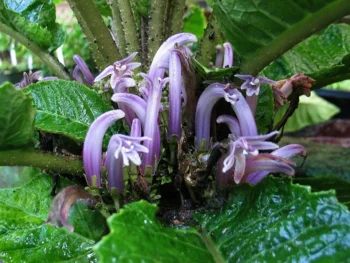
Punaluu Cyanea: A Critically Rare Hawaiian Native Worth Protecting
If you’re passionate about native Hawaiian plants and conservation gardening, you may have heard whispers about the elusive Punaluu cyanea (Cyanea truncata). This remarkable shrub represents both the incredible diversity of Hawaii’s native flora and the urgent need for plant conservation efforts across the islands.
What Makes Punaluu Cyanea Special?
The Punaluu cyanea is a perennial shrub that belongs to the bellflower family, creating an eye-catching addition to any native Hawaiian garden. As a multi-stemmed woody plant, it typically grows to heights of 13-16 feet, though it can sometimes develop as a single-stemmed specimen depending on environmental conditions. Like other members of the Cyanea genus, this plant likely produces distinctive tubular flowers that would have historically attracted native Hawaiian pollinators.
A Plant on the Brink
Important Conservation Alert: Before we dive into growing tips, there’s something crucial you need to know. Punaluu cyanea has a Global Conservation Status of Possibly Extirpated, meaning it’s known only from historical records and may no longer exist in the wild. In the United States, it’s classified as Endangered. This makes it one of Hawaii’s most critically threatened native plants.
If you’re considering adding this species to your garden, it’s essential that you only obtain plants through legitimate conservation programs or botanical institutions that work with responsibly sourced material. Never collect plants from the wild, and always verify the source of any specimens.
Where It Calls Home
This endemic Hawaiian species is native exclusively to the Hawaiian Islands, with its common name suggesting a connection to the Punaluu area. As with many Hawaiian endemics, Cyanea truncata evolved in isolation, making it perfectly adapted to Hawaii’s unique climate and ecosystem.
- Species observed
- No observations
Growing Conditions and Care
If you’re fortunate enough to participate in conservation efforts for this species, here’s what Punaluu cyanea likely needs to thrive:
- Climate: USDA Hardiness Zones 10-11 (tropical conditions)
- Light: Partial shade, mimicking understory conditions
- Soil: Well-draining, rich organic soil typical of Hawaiian forests
- Water: Consistent moisture without waterlogging
- Temperature: Warm, stable tropical temperatures year-round
Role in Your Garden
Given its rarity, Punaluu cyanea would be most appropriate in:
- Conservation gardens focused on Hawaiian native species
- Botanical collections with proper documentation
- Educational landscapes that highlight endangered Hawaiian flora
- Native plant restoration projects (with proper permits and oversight)
Supporting Conservation Efforts
While you may not be able to grow Punaluu cyanea in your backyard, there are meaningful ways to support its conservation:
- Support local botanical gardens and conservation organizations
- Choose other native Hawaiian Cyanea species that are more readily available
- Participate in native plant restoration volunteer programs
- Advocate for habitat protection in Hawaii
The Bottom Line
Punaluu cyanea represents both the beauty and fragility of Hawaii’s native ecosystem. While this shrub may be too rare for most home gardens, learning about it reminds us why native plant conservation matters. If you’re drawn to the unique appeal of Hawaiian lobelias, consider supporting conservation efforts or exploring other Cyanea species that are more sustainably available. Every native plant we grow and protect helps preserve Hawaii’s incredible botanical heritage for future generations.
Remember: if it sounds too good to be true when someone offers you this incredibly rare plant, it probably is. Always verify sources and prioritize conservation over collection.