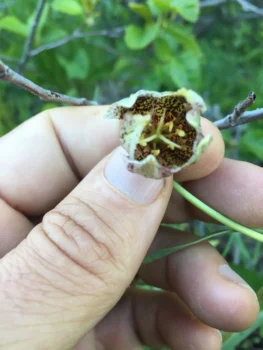
Purdy’s Fritillary: A Rare Pacific Coast Native Worth Protecting
If you’re drawn to unique spring wildflowers and have a soft spot for rare plants, Purdy’s fritillary (Fritillaria purdyi) might just capture your heart. This charming native bulb produces delicate, nodding bell-shaped flowers that seem to whisper secrets to the forest floor each spring. But before you start planning where to plant it, there’s something important you should know about this special little wildflower.
A Vulnerable Beauty
Purdy’s fritillary holds a Global Conservation Status of S3, meaning it’s considered vulnerable throughout its range. With only 21 to 100 known occurrences and an estimated 3,000 to 10,000 individuals remaining in the wild, this perennial forb is far from common. If you choose to grow this plant, please ensure you’re purchasing from reputable native plant nurseries that propagate their own stock rather than wild-collect bulbs.
Where Purdy’s Fritillary Calls Home
This fritillary is a true West Coast native, naturally occurring only in California and Oregon. You’ll find it growing in the North Coast Ranges and Cascade foothills, where it has adapted to the region’s Mediterranean climate of wet winters and dry summers.
- Species observed
- No observations
What Makes This Plant Special
Standing 8 to 24 inches tall, Purdy’s fritillary produces stunning nodding flowers in spring, typically from March through May. The bell-shaped blooms are usually white to pale pink, often adorned with subtle purple or green markings that give each flower its own personality. As a spring ephemeral, the plant completes its growing cycle early in the season, then retreats underground during the hot, dry summer months.
Perfect Garden Companions and Settings
This native bulb shines in:
- Woodland gardens with dappled shade
- Native plant collections
- Rock gardens with excellent drainage
- Naturalized areas that mimic its forest habitat
Purdy’s fritillary pairs beautifully with other Pacific Northwest natives like trilliums, wild ginger, and native ferns that appreciate similar growing conditions.
Growing Conditions and Care
Success with Purdy’s fritillary depends on mimicking its natural habitat:
- Climate: Thrives in USDA zones 7-9
- Light: Partial shade to dappled sunlight
- Soil: Well-draining soil is absolutely critical – these bulbs will rot in soggy conditions
- Water: Moist conditions during fall, winter, and spring growing seasons, but dry summers are essential
- Dormancy: Requires a summer dormancy period, so don’t panic when the foliage disappears!
Planting and Care Tips
Plant bulbs in fall, about 3-4 inches deep in well-amended, fast-draining soil. Choose a location that receives morning sun but is protected from harsh afternoon heat. Once established, allow the foliage to die back naturally in late spring – this feeds the bulb for next year’s growth.
During the active growing season, these lovely flowers provide nectar for native bees and other small pollinators who are just emerging from winter dormancy, making them valuable early-season food sources.
Should You Grow Purdy’s Fritillary?
If you live within its natural range and can provide the right growing conditions, cultivating Purdy’s fritillary can be a rewarding way to support native plant conservation – but only if you source your bulbs responsibly. This isn’t a plant for beginners or those looking for instant gratification, but experienced native plant gardeners who appreciate subtle beauty and want to help preserve a vulnerable species will find it deeply satisfying.
Remember, growing rare natives like Purdy’s fritillary is both a privilege and a responsibility. By choosing ethically sourced plants and creating suitable habitat in our gardens, we can help ensure future generations will have the chance to marvel at these delicate spring treasures.