Purdy’s Iris: A Hidden Gem for West Coast Native Gardens
If you’re looking for a charming native iris that brings subtle elegance to your garden without demanding the spotlight, Purdy’s iris (Iris purdyi) might just be your perfect match. This delightful little perennial is one of those if you know, you know plants that seasoned native gardeners treasure for its understated beauty and easygoing nature.
Meet Purdy’s Iris
Purdy’s iris goes by the botanical name Iris purdyi, and you might occasionally see it listed under its synonyms Iris landsdaleana or Iris macrosiphon var. purdyi in older gardening references. This perennial forb (that’s garden-speak for a non-woody flowering plant) is a true West Coast native that knows how to thrive in Mediterranean climates.
Where Does It Call Home?
This lovely iris is native to California and Oregon, specifically flourishing in the coastal mountain ranges of these states. It’s perfectly adapted to the wet winters, dry summers rhythm that defines much of the Pacific Coast’s climate.
- Species observed
- No observations
Why You’ll Want Purdy’s Iris in Your Garden
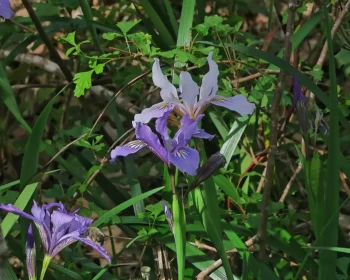
Here’s what makes this iris special: it produces charming purple-blue flowers adorned with intricate veining that creates an almost watercolor effect. The blooms appear in spring, adding a splash of color just when your garden is waking up from winter. Unlike some of its showier iris cousins, Purdy’s iris has a more delicate, woodland feel that works beautifully in naturalized settings.
As a native plant, it’s perfectly suited for:
- Native plant gardens
- Woodland and shade gardens
- Naturalized areas where you want that wild meadow look
- Water-wise landscapes
A Note About Conservation
Purdy’s iris has a somewhat uncertain conservation status, which means we should be thoughtful about how we source it. If you’re interested in adding this beauty to your garden, make sure you purchase from reputable native plant nurseries that propagate their own stock rather than wild-collecting. This helps protect wild populations while still allowing you to enjoy this special plant.
Growing Purdy’s Iris Successfully
The good news? Purdy’s iris is refreshingly low-maintenance once you understand its preferences. This plant is adapted to USDA hardiness zones 8-10, making it perfect for most West Coast gardens.
What It Needs to Thrive
Think Mediterranean: Purdy’s iris loves partial shade and well-draining soil. It’s adapted to dry summers, so don’t baby it with constant watering once it’s established. In fact, too much summer water can actually harm this drought-adapted beauty.
Here are the key growing conditions:
- Partial shade (morning sun, afternoon shade works great)
- Well-draining soil – soggy conditions are a no-go
- Minimal summer water once established
- Natural rainfall in winter is usually sufficient
Planting and Care Tips
Plant Purdy’s iris rhizomes in fall, which gives them time to establish before their spring show. Choose a spot with good drainage – if your soil tends to stay wet, consider creating a raised bed or adding some coarse sand to improve drainage.
Once planted, your main job is to resist the urge to pamper it. Allow the plant to go naturally dormant in summer (the foliage may die back, and that’s perfectly normal). Come fall and winter rains, it’ll perk right back up.
Benefits for Pollinators and Wildlife
Native bees and other local pollinators appreciate the spring blooms of Purdy’s iris. As with most native plants, it fits naturally into the local ecosystem, providing resources that native wildlife have co-evolved to use.
Is Purdy’s Iris Right for Your Garden?
This iris is ideal if you’re gardening in California or Oregon and want to create habitat for native wildlife while enjoying beautiful spring flowers. It’s perfect for gardeners who appreciate subtle beauty over flashy displays and who want plants that work with, rather than against, their local climate patterns.
However, if you’re looking for a plant that provides year-round structure or dramatic color, you might want to pair Purdy’s iris with other natives that offer different seasonal interests.
With its charming flowers, low water needs, and native pedigree, Purdy’s iris offers West Coast gardeners a wonderful way to create beautiful, ecologically beneficial landscapes that celebrate the unique character of their region.