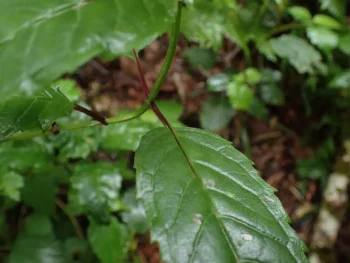
Purple Bergamot: A Native Treasure for Your Garden
If you’re looking to add a splash of purple magic to your garden while supporting local wildlife, purple bergamot (Monarda media) might just be the perfect plant for you. This delightful native perennial brings both beauty and ecological benefits to any landscape, though it comes with a special responsibility that makes it even more precious.
What Makes Purple Bergamot Special?
Purple bergamot is a charming herbaceous perennial that belongs to the mint family. As a forb—basically a non-woody flowering plant—it produces stunning clusters of tubular purple to lavender flowers that bloom from mid to late summer. The aromatic foliage adds another layer of sensory appeal, releasing a pleasant fragrance when brushed against or crushed.
This native beauty typically reaches 2-4 feet in height with a spread of 1-2 feet, making it an excellent choice for the middle of flower borders or naturalized garden areas.
Where Purple Bergamot Calls Home
Purple bergamot is a true native of eastern North America, naturally occurring across a impressive range that includes parts of Canada and many states throughout the eastern United States. You’ll find it growing wild in Alabama, Connecticut, Delaware, Georgia, Illinois, Indiana, Kentucky, Maine, Maryland, Massachusetts, Michigan, New Hampshire, New Jersey, New York, North Carolina, Ohio, Ontario, Pennsylvania, Rhode Island, Tennessee, Vermont, Virginia, and West Virginia.
- Species observed
- No observations
A Word of Caution: Rarity Matters
Here’s where things get important: purple bergamot has a special conservation status. In New Jersey, it’s listed as Highlands Listed, SH, indicating it’s a species of concern in that region. This rarity status means that if you’re planning to add purple bergamot to your garden, you absolutely must source it responsibly.
Always purchase plants from reputable native plant nurseries that propagate their own stock rather than collecting from wild populations. Never dig plants from the wild—this could harm already vulnerable populations.
Why Your Garden (and Local Wildlife) Will Love It
Purple bergamot is like hosting a dinner party for pollinators. The tubular flowers are perfectly designed to attract:
- Bees of various species
- Butterflies looking for nectar
- Hummingbirds drawn to the flower shape and color
Beyond its pollinator appeal, this native plant requires far less water and maintenance than many non-native alternatives once established, making it an eco-friendly choice for sustainable gardening.
Perfect Garden Companions and Settings
Purple bergamot shines in several garden styles:
- Native plant gardens: Pairs beautifully with other native perennials
- Cottage gardens: Adds informal charm and fragrance
- Pollinator gardens: Essential for supporting native wildlife
- Meadow plantings: Naturalizes well in less formal settings
- Wildlife gardens: Provides food and habitat for beneficial insects
Growing Purple Bergamot Successfully
The good news? Purple bergamot is relatively easy to grow once you understand its preferences.
Light Requirements: This adaptable plant thrives in partial shade to full sun, though it appreciates some afternoon shade in hotter climates.
Soil Needs: Purple bergamot is quite forgiving when it comes to soil, adapting to various types from moist to moderately dry conditions. Good drainage is helpful, but it’s not as fussy as some perennials.
Climate Zones: Hardy in USDA zones 4-8, purple bergamot can handle cold winters and reasonably hot summers.
Planting and Care Tips
Getting started with purple bergamot is straightforward:
- Planting time: Spring or early fall work best
- Spacing: Allow 18-24 inches between plants
- Watering: Regular water the first year, then quite drought-tolerant
- Maintenance: Deadhead spent flowers to encourage continued blooming
- Propagation: May self-seed in favorable conditions, creating natural colonies
Once established, purple bergamot is refreshingly low-maintenance, asking little more than occasional watering during extended dry spells and an annual trim back in late fall or early spring.
The Bottom Line
Purple bergamot deserves a place in more gardens, but with great beauty comes great responsibility. This native treasure offers gorgeous summer blooms, supports crucial pollinators, and adapts well to various growing conditions. Just remember to source it responsibly and help protect wild populations by choosing nursery-propagated plants.
Your garden—and your local ecosystem—will thank you for this thoughtful addition.