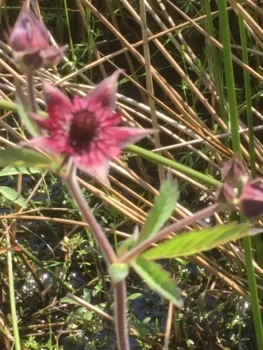
Purple Marshlocks: A Rare Native Gem for Wetland Gardens
If you’re looking to add a touch of wild beauty to your bog garden or wetland area, purple marshlocks might just be the perfect native plant for you. This charming perennial herb brings delicate purple-red blooms and an important ecological role to wet spaces that many other plants simply can’t handle.
What is Purple Marshlocks?
Purple marshlocks (Comarum palustre) is a low-growing perennial forb that’s perfectly adapted to life in wet places. You might also see it listed under its former scientific name, Potentilla palustris, but don’t let the name changes fool you – this is the same wonderful wetland plant that’s been quietly doing its job in marshes and bogs for centuries.
As a native North American species, purple marshlocks has an impressive range spanning from Alaska down through Canada and into many northern U.S. states including California, Colorado, Connecticut, Idaho, Illinois, Indiana, Iowa, Maine, Massachusetts, Michigan, Minnesota, Montana, New Hampshire, New Jersey, New York, North Dakota, Ohio, Oregon, Pennsylvania, Utah, Vermont, Washington, Wisconsin, and Wyoming.
- Species observed
- No observations
Why Grow Purple Marshlocks?
This unassuming plant packs a lot of benefits into its modest frame:
- Aesthetic Appeal: Small but charming purple-red flowers bloom in summer, creating lovely contrast against compound leaves with 5-7 leaflets
- Wetland Specialist: Thrives in conditions that would drown most other plants – it’s classified as an obligate wetland species across all regions
- Pollinator Friendly: Attracts various beneficial insects including flies, small bees, and beetles
- Low Maintenance: Once established in the right conditions, it pretty much takes care of itself
- Wildlife Habitat: Provides important ecosystem services in wetland environments
A Word of Caution: Rarity Matters
Before you rush out to find purple marshlocks, there’s something important to know: this species is endangered in New Jersey and likely uncommon in other parts of its range. If you’re interested in growing it, please make sure to source your plants responsibly from reputable native plant nurseries that propagate their own stock rather than wild-collecting.
Perfect Garden Settings
Purple marshlocks isn’t your typical garden center perennial – it has very specific needs that make it perfect for certain situations:
- Bog gardens: Ideal for constructed bog gardens where consistent moisture is maintained
- Rain gardens: Great choice for areas that collect and hold water
- Wetland restoration: Essential for authentic wetland habitat creation
- Naturalistic landscapes: Perfect for wild-looking areas that mimic natural wetland edges
Growing Conditions
Success with purple marshlocks comes down to one key factor: water, water, water. This plant is classified as an obligate wetland species, which means it almost always occurs in wetlands and needs consistently wet conditions to thrive.
Light: Full sun to partial shade
Soil: Consistently moist to wet soils; tolerates standing water
pH: Acidic to neutral
Hardiness: USDA Zones 2-7
Planting and Care Tips
Growing purple marshlocks successfully is all about recreating its natural wetland habitat:
- Timing: Plant in spring when soil is naturally moist
- Moisture: Never let the soil dry out – this plant can handle standing water better than drought
- Fertilization: Minimal fertilization needed; wetland plants are adapted to nutrient-poor conditions
- Spreading: Spreads naturally by rhizomes, creating colonies over time
- Maintenance: Very low maintenance once established in proper conditions
Is Purple Marshlocks Right for Your Garden?
Purple marshlocks is definitely not a plant for everyone, but if you have the right conditions, it can be a wonderful addition to your landscape. Consider it if you:
- Have a naturally wet area in your yard
- Are creating a bog garden or rain garden
- Want to support native wildlife and pollinators
- Enjoy naturalistic, wild-looking plantings
- Are involved in wetland restoration projects
Skip purple marshlocks if you have typical garden soil that drains well, or if you’re looking for a showy focal point plant – this one’s beauty lies in its subtle charm and ecological value.
Remember, with its endangered status in some areas, growing purple marshlocks responsibly means sourcing from ethical suppliers and potentially helping to preserve this important wetland species for future generations. It’s a small but meaningful way to support biodiversity in your own backyard.